
Red Flags to Watch for When Touring an Apartment
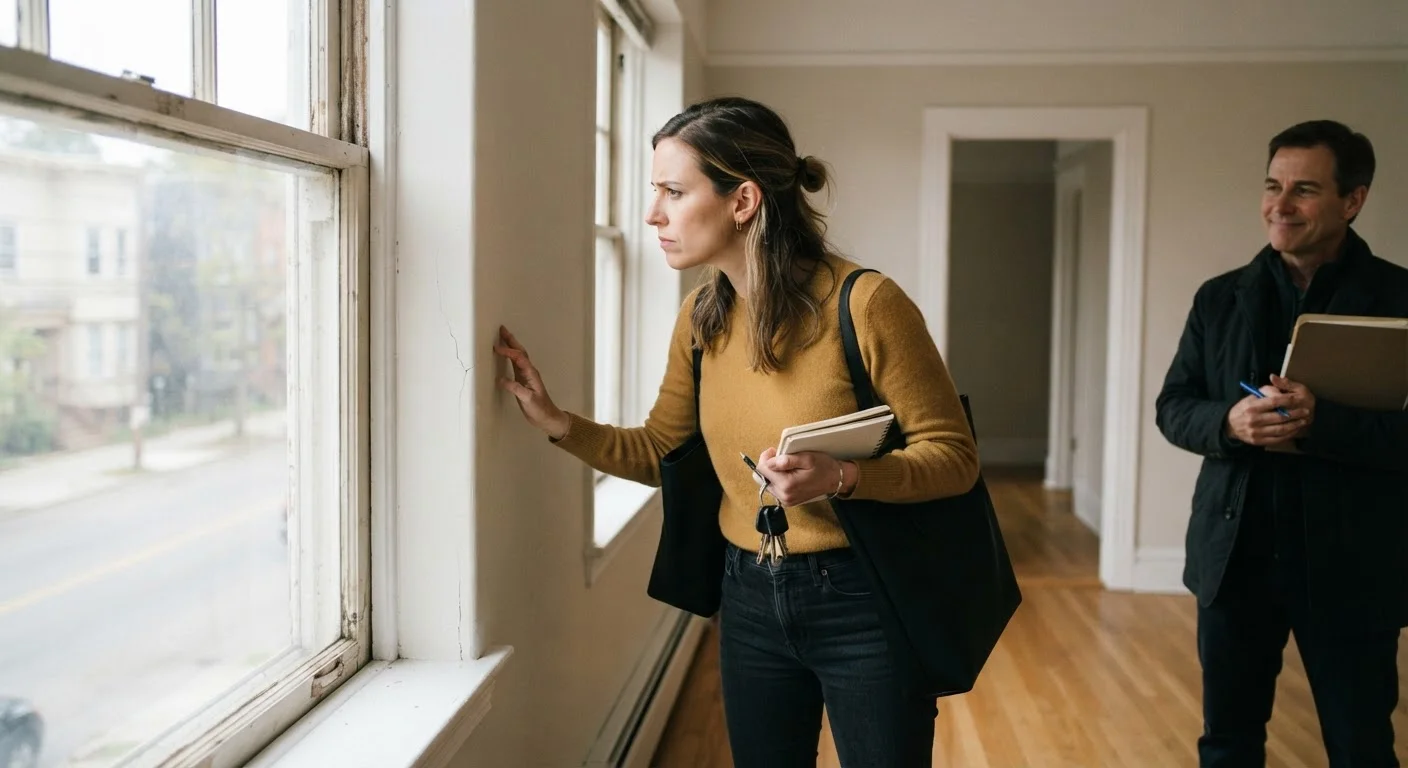
Photo credit: SearchLynk.net | Search Made Easier
In this article
Some problems are easy to miss on a first visit. Learn what signs of trouble—structural, legal, or landlord-related—to look for before you commit.
Key Takeaways
- Water stains, mold, and soft flooring are among the most costly problems to overlook during a tour.
- A landlord's behavior during the showing can signal how responsive they'll be as your landlord.
- Always visit the unit in person and at different times of day before committing.
- Structural and legal red flags are just as important as cosmetic ones.
- Document everything you notice during the tour, even minor issues, with photos and written notes.
Why Apartment Tours Require a Critical Eye
Touring an apartment is exciting - but excitement is exactly what landlords and listing agents count on. Attractive staging, fresh paint, and well-timed appointments can make a unit feel far more appealing than it is day-to-day. Before you fall for a place, you need to slow down and look past the surface.
The mistakes renters make during tours are rarely about carelessness - they're about not knowing what to look for. Our apartment hunting checklist can help structure your evaluation, but this guide focuses specifically on the warning signs that are easy to miss - and costly to ignore.
Touring only once, at a single time of day.
Why it happens: Renters often feel pressure to decide quickly in competitive markets and assume one visit is enough.
Ignoring signs of moisture, mold, or water damage.
Why it happens: Fresh paint and cleaning can hide stains temporarily, and renters often don't know where to look.
Failing to test appliances, outlets, and plumbing during the tour.
Why it happens: It can feel intrusive or awkward to run faucets and test every switch during a showing.
Overlooking the condition of shared spaces and building exteriors.
Why it happens: Renters focus almost entirely on the unit itself, forgetting that common areas reflect overall management quality.
Taking a landlord's verbal assurances at face value.
Why it happens: Verbal promises feel reassuring in person, especially when someone is personable and professional.
Not documenting the unit's condition with photos before moving in.
Why it happens: Renters are eager to move and often assume the move-in inspection form is sufficient.
Structural and Environmental Warning Signs
Physical problems inside an apartment are the most consequential red flags, yet they're also the easiest to overlook when you're focused on layout and light. Train yourself to look at what's behind the presentation.
~50%
Renters who report maintenance issues within first year
According to the Harvard Joint Center for Housing Studies, roughly half of renters experience at least one unresolved maintenance issue in their first year of tenancy.
1 in 5
Rental units with moderate to severe physical problems
The U.S. Census Bureau's American Housing Survey has consistently found that a significant share of occupied rental units have moderate or severe physical inadequacies.
Check ceilings and walls carefully for water stains, bubbling paint, or discoloration - these can indicate roof leaks, plumbing failures, or chronic moisture problems. Run every faucet and flush every toilet to check water pressure and drainage. Open cabinet doors under sinks and look for soft wood or musty odors, which often signal hidden leaks. Inspect window seals and frames for condensation damage or gaps that would let in drafts and pests.
Don't skip the floors. Soft spots underfoot, bouncy boards, or visible warping can point to subfloor damage - repairs that are expensive and disruptive. If you notice a strong smell of fresh paint, cleaning products, or air freshener, ask yourself what it might be masking.
Mold Is a Health and Legal Issue
Visible mold or persistent musty odors are not cosmetic problems - they can indicate underlying moisture damage and may have health implications. In many states, landlords are legally required to disclose known mold issues and maintain habitable conditions. If you spot mold during a tour, ask the landlord directly about remediation history before proceeding.
Landlord Behavior and Legal Concerns
How a landlord or property manager conducts the tour tells you a great deal about how they'll handle maintenance requests, security deposit disputes, or lease violations later. Pressure tactics, vague answers, or reluctance to put anything in writing are red flags that have nothing to do with the unit's condition.
Be wary of anyone who discourages you from reading the lease carefully, refuses to provide the lease before a signing appointment, or won't confirm the legal rent in writing. In rent-stabilized markets, landlords are legally required to disclose regulated rents. Always verify what you're told. Our complete renter's guide covers what your rights are before you ever sign anything.
Online listing photos that don't match the unit you're shown, or a landlord who can't explain discrepancies, warrant serious skepticism. Listings that use vague language, omit the address, or show suspiciously generic photos can also signal potential fraud - a pattern well documented in rental and product listing scams. Once you're ready to commit, make sure you understand every clause - our breakdown of commonly misunderstood lease terms is a useful next step.
This article provides general educational information for renters and does not constitute legal or financial advice. Consult a qualified professional for guidance specific to your situation.

Author
Real Estate Editorial Team
Real Estate Editorial Team is the collective byline for our editorial team and contributor network. Articles published under this byline or an editorial pen name are researched, written, and reviewed according to our editorial standards for clarity, consistency, and independence before publication.
View all articles →