
What Compound Interest Actually Does to Your Savings Over Time
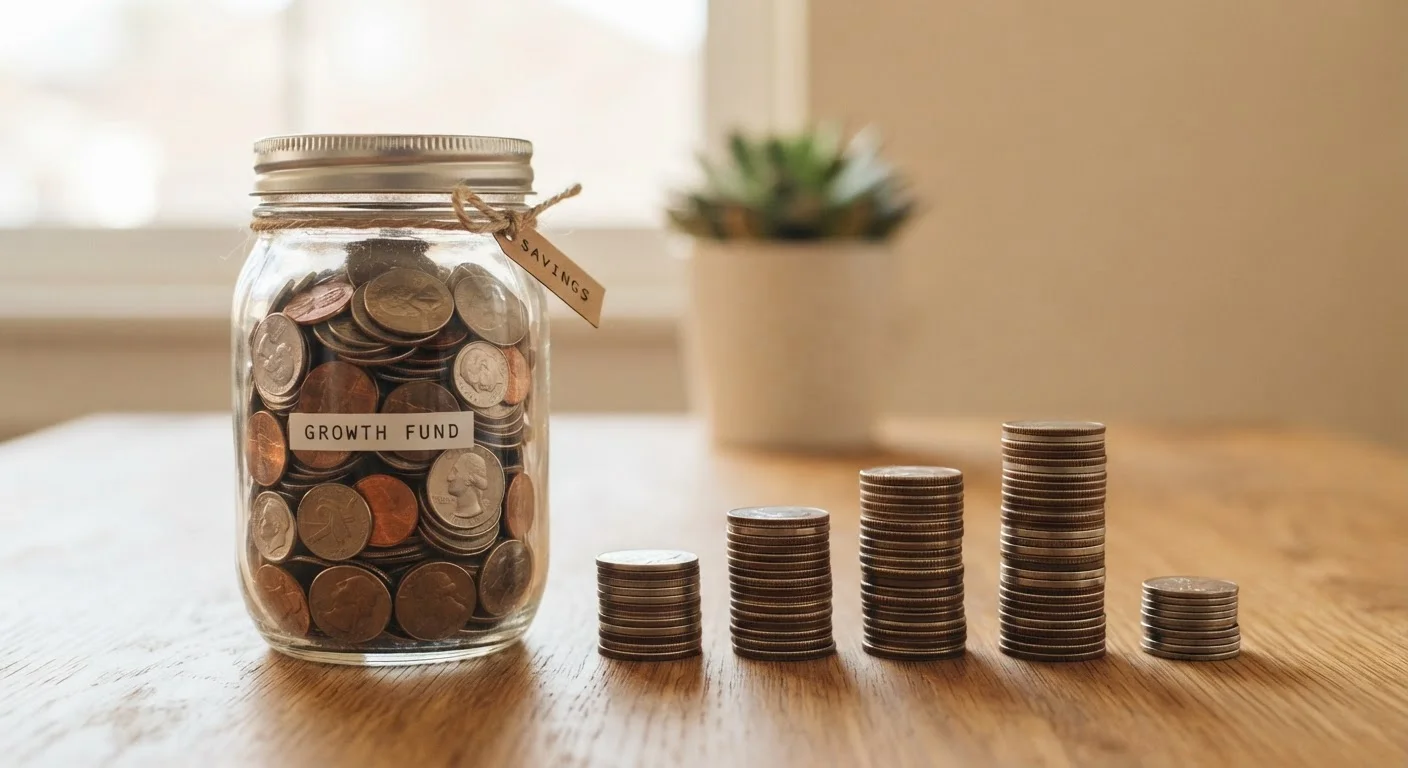
Photo credit: SearchLynk.net | Search Made Easier
In this article
Compound interest is often called the engine of wealth-building. Here's a plain-English look at how it works and why it matters.
Key Takeaways
- Compound interest grows your savings by earning returns on both principal and previously earned interest.
- Time is the most powerful variable - starting earlier makes a significant difference in long-term outcomes.
- Compounding works against you on debt, accelerating balances when payments are delayed.
- The frequency of compounding (daily vs. annually) affects your effective rate of return.
- Even modest, consistent contributions can produce meaningful growth over decades.
The Basic Mechanic: Interest on Interest
Most people understand that a savings account pays interest. What's less intuitive is what happens after that first interest payment lands. With compound interest, that earned amount is added to your balance - and from that point forward, it also earns interest.
Imagine depositing $5,000 into an account earning 4% annually. After year one, you earn $200, bringing your balance to $5,200. In year two, you earn 4% on $5,200 - not just the original $5,000. That extra $8 might seem trivial, but as balances and time increase, the effect compounds rapidly.
For a deeper look at the actual numbers behind this growth curve, see how compound interest plays out over decades.
~$10,800
Growth of $5,000 at 4% APY over 20 years
Illustrative example using standard compound interest calculation; actual returns depend on product terms and compounding frequency.
365x
Daily vs. annual compounding cycles per year
Daily compounding applies interest to your balance every single day, producing marginally higher effective yields than annual compounding at the same rate.
10+ years
Potential head start advantage of early savers
Research consistently shows that starting contributions earlier - even with smaller amounts - can produce significantly larger balances at retirement.
Why Time Matters More Than Almost Anything Else
The single most important input in compound interest isn't the rate - it's time. A higher rate helps, but it cannot fully compensate for starting late. This is why financial educators often stress beginning to save early, even in small amounts.
Consider two savers contributing the same monthly amount over their working lives. The one who starts ten years earlier can end up with significantly more money at retirement, even if they contribute the same total dollars. The earlier balance has more compounding cycles to work through.
This principle also means that withdrawing savings early or pausing contributions has a cost that goes beyond what you pull out - you also lose future compounding cycles on those funds.
Automate Contributions to Protect Compounding
Setting up automatic transfers to a savings or investment account helps ensure your balance keeps growing without interruption. Every month a contribution is skipped, you lose a compounding cycle - and those cycles matter most over the long run. Even modest automatic contributions add up considerably over a decade or more.
The Flip Side: Compound Interest on Debt
The same mechanic that builds savings can work against you when you carry debt. On a credit card with a high interest rate, any unpaid balance grows - and that growth itself becomes part of the balance subject to further interest charges. A balance left unaddressed can swell well beyond the original amount borrowed.
This is especially relevant for carrying revolving balances on high-rate credit. Minimum payments are often structured so that early payments cover mostly interest, leaving the principal - and therefore the compounding base - largely intact for longer.
Understanding this dynamic can reframe how you prioritize debt payoff alongside saving. Paying down high-interest debt reduces the balance on which compounding works against you, which can be financially equivalent to earning a guaranteed return equal to the debt's interest rate.
Where Compounding Happens and What to Watch For
Compound interest is central to several common financial products. Savings accounts, money market accounts, and certificates of deposit (CDs) all use it to grow deposited funds. For a comparison of how these vehicles differ in structure and access, see savings accounts, money market accounts, and CDs compared.
Investment accounts also harness compounding - though returns are variable and not guaranteed the way bank interest is. In those contexts, reinvested dividends and capital gains create a similar snowball effect over time. It's worth noting that fees, taxes, and inflation can quietly erode this growth. Learn how those hidden costs affect long-term returns.
When comparing savings options, look at the APY (Annual Percentage Yield) rather than just the stated interest rate. APY incorporates compounding frequency and gives you a clearer picture of what you'll actually earn.
Also worth examining: behavioral habits that reduce the time money spends compounding. Frequent withdrawals, skipped contributions, or reactive spending can interrupt compounding cycles in ways that are easy to underestimate. Some of the most damaging patterns are surprisingly small.
This article is for general informational and educational purposes only and does not constitute personalized financial, investment, or tax advice. Consult a qualified financial adviser for guidance specific to your situation.
Frequently Asked Questions

Author
Finance Editorial Team
Finance Editorial Team is the collective byline for our editorial team and contributor network. Articles published under this byline or an editorial pen name are researched, written, and reviewed according to our editorial standards for clarity, consistency, and independence before publication.
View all articles →