
How Your Credit Utilization Rate Affects Financial Health
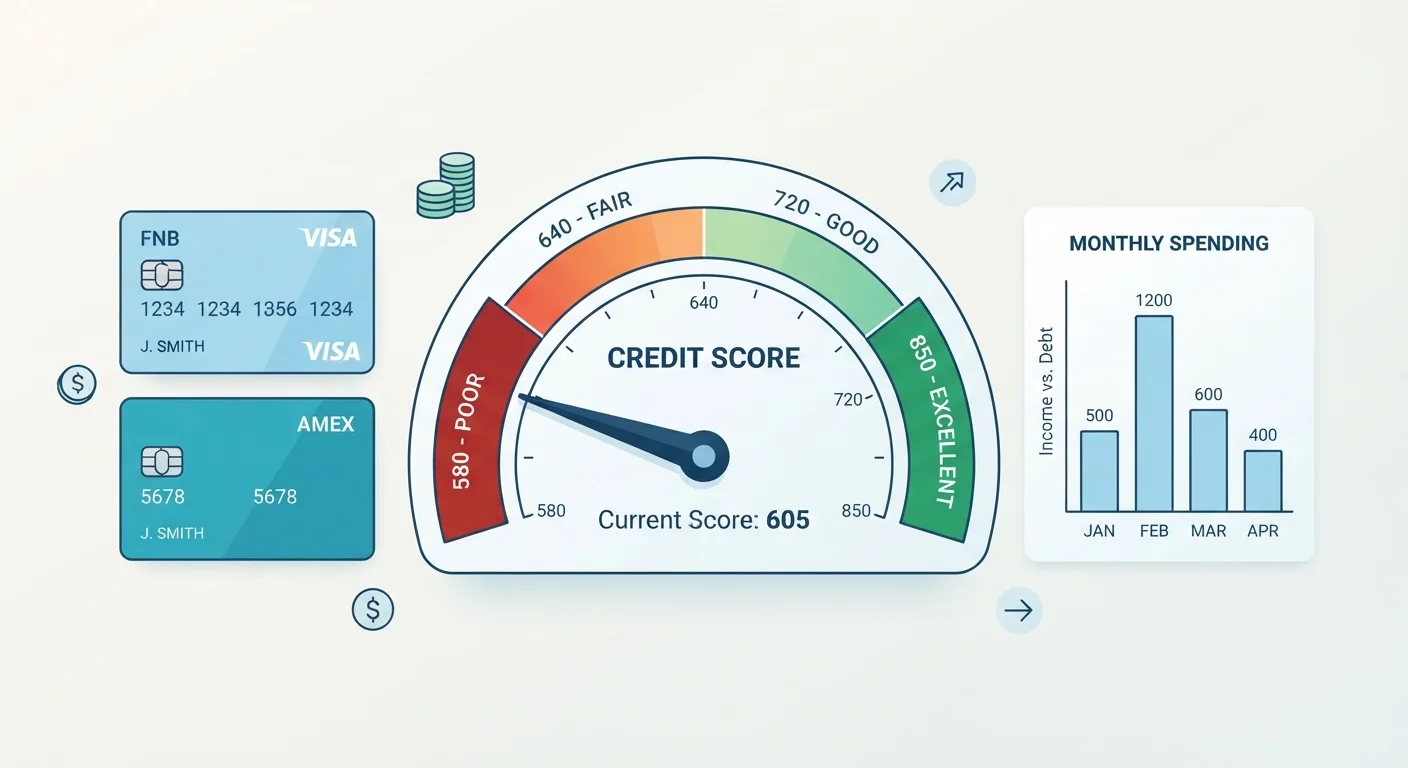
Photo credit: SearchLynk.net | Search Made Easier
In this article
Credit utilization is one of the most misunderstood factors in personal finance. Here's what it means and why it deserves attention.
Key Takeaways
- Credit utilization rate measures how much of your available revolving credit you are currently using.
- Most credit scoring guidance suggests keeping utilization below 30%, with lower generally being better.
- High utilization can lower your credit score even if you make every payment on time.
- Paying down balances - not just making minimums - is the most direct way to improve your utilization ratio.
- Utilization resets each billing cycle, so improvements can show up in your score relatively quickly.
Why Credit Utilization Matters Beyond Your Score
Most people know that credit scores matter when applying for a loan or mortgage. Fewer understand that one of the biggest levers controlling that score is something they can act on every single month: how much of their available credit they're actually using.
Credit utilization is not just a scoring technicality. It signals to lenders whether a borrower is living within their means or relying heavily on borrowed money to cover regular expenses. A high utilization rate can suggest financial strain - even when every payment has been made on time. That perception affects whether you qualify for new credit, and at what interest rate.
For a solid grounding in the broader vocabulary of borrowing, see key terms every borrower should understand before taking on debt.
~30%
Of a FICO score tied to credit utilization
According to FICO's published scoring factor breakdown, amounts owed - primarily utilization - account for approximately 30% of a standard FICO credit score.
Below 30%
Commonly recommended utilization threshold
Major consumer credit education sources, including the Consumer Financial Protection Bureau (CFPB), cite keeping utilization under 30% as a general guideline for maintaining credit health.
Single billing cycle
Timeframe for utilization to update in credit reports
Because card issuers typically report balances monthly at statement close, a paydown can be reflected in credit bureau data within one billing cycle.
How the Math Actually Works
Your utilization rate is calculated by dividing your current revolving balance by your total revolving credit limit, then multiplying by 100. This applies both to individual cards and to all revolving accounts combined - and credit models evaluate both.
Consider this: if you have three credit cards with limits of $5,000, $3,000, and $2,000, your total available credit is $10,000. If your balances are $1,800, $900, and $300 respectively, your aggregate utilization is $3,000 ÷ $10,000, or 30% - right at the commonly cited threshold.
The timing of when your issuer reports your balance to the bureaus also matters. Balances are typically reported at statement close, not at payment due date. So even if you pay in full every month, a high statement balance can still appear as elevated utilization in that reporting cycle. This is a common misconception - for more on what carrying a balance actually does (and doesn't do) for your credit, the common myths about carrying a credit card balance article covers the facts clearly.
The Connection Between Utilization and Debt Stress
High credit utilization and high-interest debt tend to reinforce each other. When balances grow, utilization rises - and a lower credit score can make it harder to access credit at favorable rates if you need it. For households already stretched, this creates a cycle that's difficult to exit.
Understanding why high-interest debt is so hard to escape is important context here: minimum payments on high-APR balances do very little to reduce the principal, which means utilization stays elevated for longer than many borrowers expect.
Pay Before Your Statement Closes
Your card issuer typically reports your balance to the credit bureaus at the end of your billing cycle - not at your payment due date. Making an extra payment a few days before your statement closes can lower the balance that gets reported, which directly reduces your utilization ratio for that cycle. Check your account portal for your statement closing date.
Reducing utilization isn't just about gaming a score - it's a genuine indicator of financial breathing room. Lower balances mean less interest owed each month, which frees up cash that can be redirected toward savings or other financial goals.
Practical Ways to Improve Your Utilization Rate
There are two levers available: reduce balances or increase available credit. Paying down existing balances is the more durable and financially sound of the two. Even partial paydowns - reducing a card from 60% utilization to 40% - can have a measurable impact within a billing cycle or two.
Strategic payment timing also helps. If you know your statement closes on a specific date, making an extra payment before that date lowers the balance your issuer reports to the bureaus. This requires knowing your billing cycle, which you can find in your card's terms or online account portal.
Requesting a credit limit increase is another option, though it typically involves a credit inquiry and should be approached carefully. It addresses the ratio without directly addressing the underlying balance - which is why it works best as a complement to paying down debt, not a substitute.
To track your progress month to month, the monthly financial health checklist offers a structured framework for reviewing balances, utilization, and savings targets together.
This article is for general informational and educational purposes only and does not constitute personalized financial or credit advice. Consult a licensed financial professional for guidance specific to your situation.
Frequently Asked Questions

Author
Finance Editorial Team
Finance Editorial Team is the collective byline for our editorial team and contributor network. Articles published under this byline or an editorial pen name are researched, written, and reviewed according to our editorial standards for clarity, consistency, and independence before publication.
View all articles →