
Building Your First Budget Around Debt Repayment
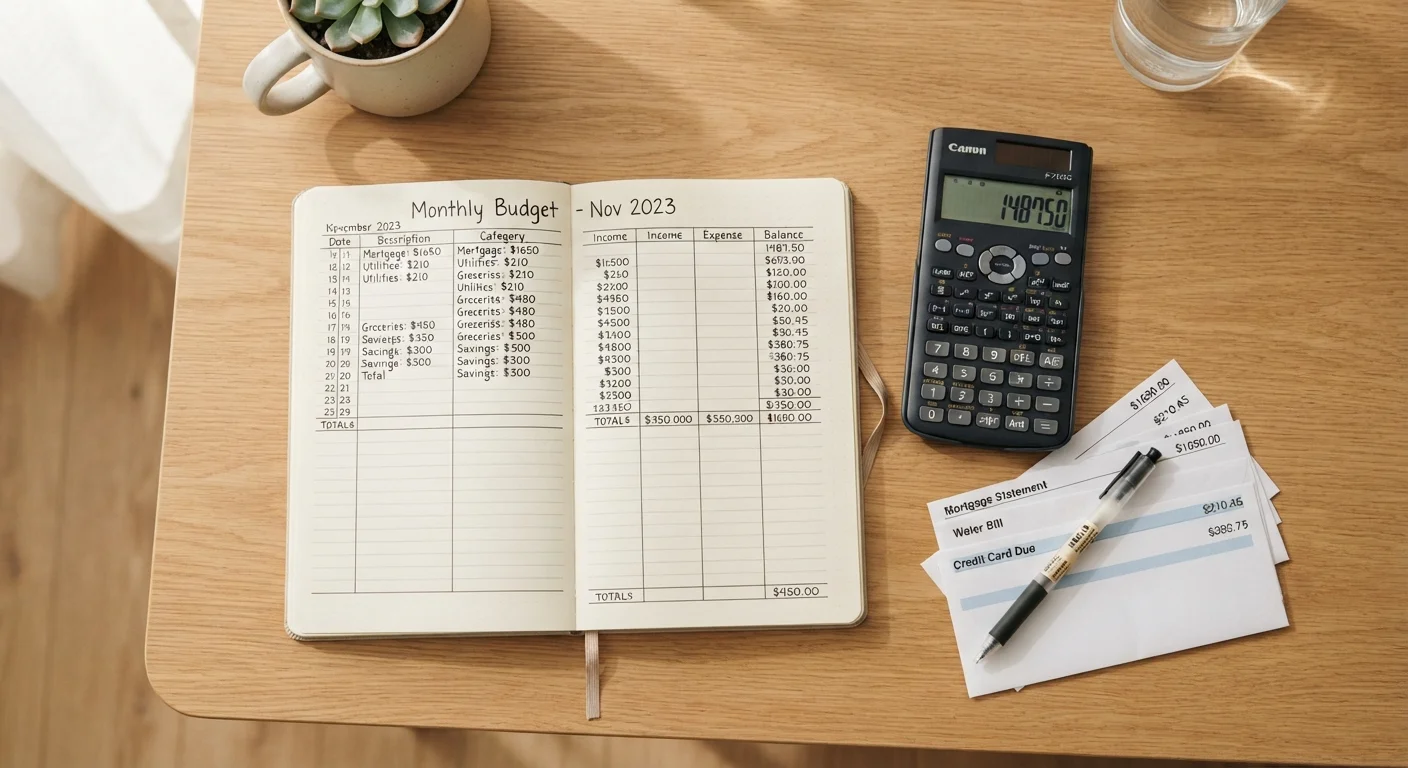
Photo credit: SearchLynk.net | Search Made Easier
In this article
A practical walkthrough for organizing your income and expenses so debt payments become a reliable part of your monthly plan.
Key Takeaways
- List all debts with their balances, interest rates, and minimum payments before building your budget.
- Treat debt payments as fixed obligations, not optional line items, to avoid missed payments.
- A small starter emergency fund reduces the risk of derailing your repayment plan unexpectedly.
- Choosing a payoff strategy - avalanche or snowball - gives your extra dollars a clear destination.
- Review and adjust your budget monthly to reflect real spending and track repayment progress.
Why Debt Repayment Needs Its Own Budget Framework
A general monthly budget tracks spending and savings - but when debt is a significant part of your financial picture, you need a structure specifically designed to make repayment reliable. Without that, debt payments often compete with groceries, utilities, and discretionary spending, and something always loses.
If you're new to budgeting overall, the fundamentals of personal budgeting are worth reviewing first. This guide builds on those basics by centering your plan around debt reduction.
The core idea is straightforward: treat your debt payments the same way you treat rent. They're not optional, and they come first - after essential living costs but before any discretionary spending. This shift in mindset is what separates a budget that gradually reduces debt from one that never quite makes progress.
Consistency Beats Perfection
A budget that covers 80% of your spending categories and gets followed reliably will outperform a perfectly detailed one that gets abandoned after two weeks. Start simple and add detail as the habit forms. Adjusting your plan each month is a sign it's working - not a sign of failure.
What You Need Before You Start
Gathering accurate information upfront is essential. Estimates rarely hold up, and gaps in your data will create gaps in your budget.
What you will need
Once you have these materials, you're ready to move into the actual budgeting steps. If you're also weighing whether to prioritize saving over paying down debt, the emergency fund vs. debt payoff trade-off is worth understanding before you finalize your plan.
Step-by-Step: Building the Budget
Follow these steps in order. Each one builds on the last, and skipping ahead often leads to a budget that looks right on paper but breaks down in practice.
Calculate your true monthly take-home income
Start with the amount that actually lands in your bank account each month - after taxes, benefits deductions, and any other withholdings. If your income varies (freelance, hourly, tips), use a conservative average based on your three lowest-earning months in the past year. Overestimating income is one of the most common reasons budgets fail early.
List every debt and its minimum payment
Create a simple table with columns for: creditor, current balance, interest rate (APR), and minimum monthly payment. Include all obligations - credit cards, personal loans, auto loans, student loans, and any informal debts you're actively repaying. Total the minimum payments column. This number is your non-negotiable debt floor - the least you must pay each month to stay current.
Allocate essential living expenses
Before directing any extra money toward debt, account for non-negotiable living costs: housing, utilities, groceries, transportation, and basic insurance. These come first because without them, everything else fails. List each one at its realistic monthly cost - not what you wish it were. Add these to your debt minimums and subtract the total from your take-home income to find your available margin.
Set aside a small starter emergency fund
Before accelerating debt payoff, set a target of $500-$1,000 in a separate savings account as a buffer. This isn't a full emergency fund - it's a circuit breaker that prevents a flat tire or a medical copay from forcing you to add new debt while you're trying to pay it down. Once this buffer is funded, redirect that savings amount entirely toward debt.
Choose a debt payoff strategy for your extra dollars
Your available margin - income minus essentials and debt minimums - is the fuel for accelerated repayment. You need a clear rule for how to apply it. Two common approaches are the debt avalanche (directing extra payments to the highest-interest debt first, minimizing total interest paid) and the debt snowball (paying off the smallest balance first for psychological momentum). See the full comparison in debt avalanche vs. debt snowball to decide which fits your situation.
Write out your complete monthly budget and schedule payments
Document every dollar: fixed expenses, variable essentials, your debt minimums, your accelerated payment to the target debt, your emergency buffer contribution (until funded), and any remaining discretionary spending. Schedule each payment - ideally through autopay or calendar reminders - so execution is automatic rather than dependent on remembering. A written plan you can refer to throughout the month is far more reliable than a mental one.
For a deeper look at why budgets stall in the first few weeks, see why budgets fall apart by week two - and the specific fixes that help.
Sustaining the Plan Over Time
A debt repayment budget isn't a one-time exercise. Your income may change, unexpected expenses will arise, and your debt balances will shift as you make payments. Building in a regular review - even just 20 minutes per month - keeps the plan realistic and helps you catch problems before they compound.
Use a monthly financial health checklist to track balances, confirm payments posted correctly, and review whether your payoff timeline is on track. If you find your debts feel unmanageable, it may also be worth exploring whether debt consolidation could simplify your repayment structure - though that decision involves its own trade-offs.
The principles behind sustainable debt repayment emphasize consistency over intensity. Small, steady payments made reliably do more long-term good than aggressive plans that collapse after two months.
This article is for general informational and educational purposes only and does not constitute personalized financial, tax, or legal advice. Please consult a qualified financial professional before making decisions about your specific financial situation.

Author
Finance Editorial Team
Finance Editorial Team is the collective byline for our editorial team and contributor network. Articles published under this byline or an editorial pen name are researched, written, and reviewed according to our editorial standards for clarity, consistency, and independence before publication.
View all articles →