
Visa Applications Explained: Types, Timelines, and What Consulates Actually Review
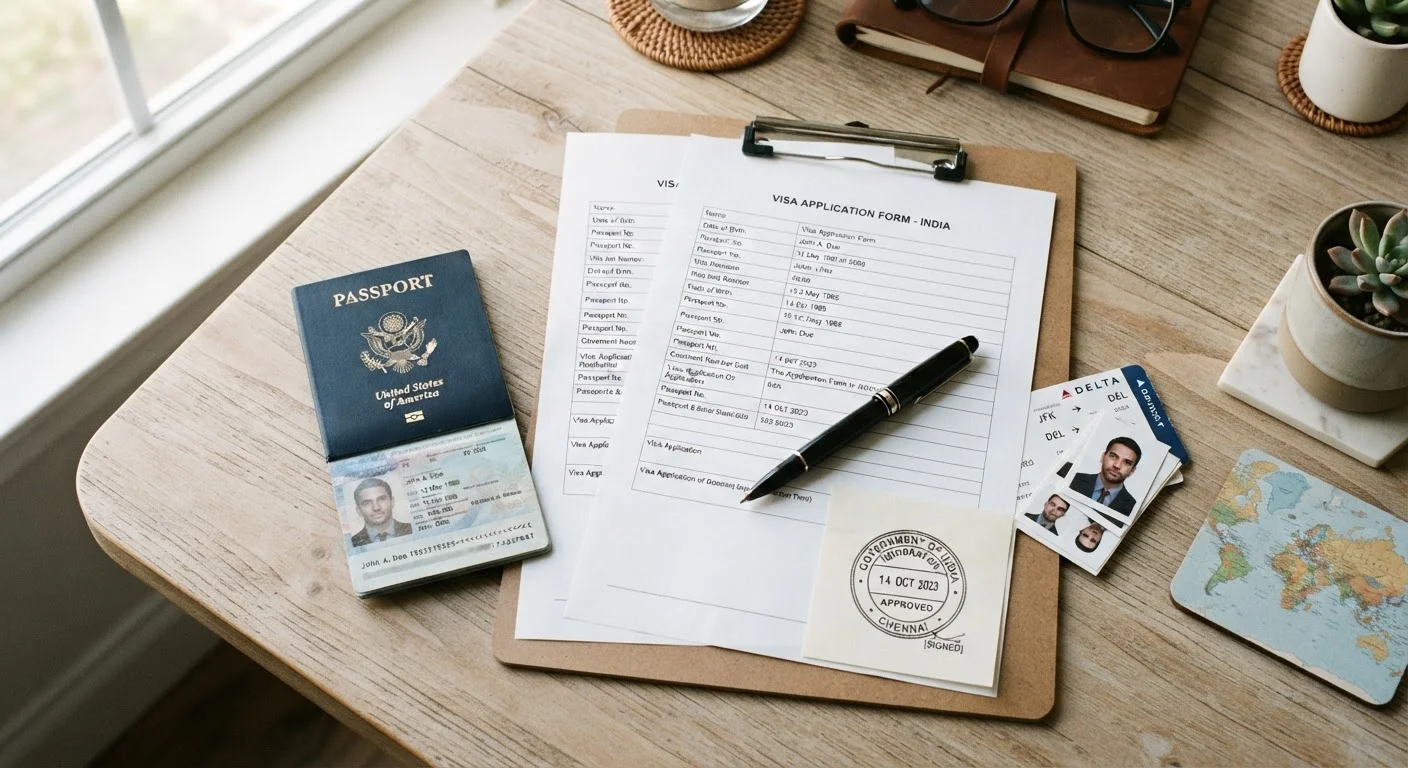
Photo credit: SearchLynk.net | Search Made Easier
In this article
A clear breakdown of how travel visas work, the common categories, and what to expect when applying for international entry.
Key Takeaways
- Visa requirements depend on your nationality, destination, and the purpose of your trip.
- Processing times range from a few hours for e-visas to several months for immigration visas.
- Consulates primarily assess the likelihood that applicants will comply with entry conditions.
- Supporting documents - such as financial proof and travel itineraries - are central to most applications.
- Always verify current requirements through official government or embassy sources before applying.
The Main Categories of Travel Visas
Visa categories exist because countries want to know why you're entering, not just who you are. While terminology varies by country, most visas fall into a handful of recognizable types:
- Tourist or visitor visa: For leisure travel, family visits, or short trips with no paid work. Usually the most straightforward to obtain.
- Business visa: Covers attendance at meetings, conferences, or negotiations - but typically does not permit local employment.
- Student visa: Required for enrollment in an accredited educational program abroad. Often tied to enrollment status.
- Work or employment visa: Allows the holder to work for a specific employer in the host country, usually requiring a job offer and employer sponsorship.
- Transit visa: Permits a layover or connection through a country without formally entering it. Required by some nations even for airport transits.
- Immigrant or long-stay visa: For those relocating permanently or for extended periods - the most document-intensive category.
Some countries also offer specialized categories such as digital nomad visas or retirement visas, which have emerged in response to changing global travel patterns. For a broader view of how visas fit into your overall trip planning, see The Anatomy of a Well-Planned Trip.
Visa-Free Doesn't Mean Entry-Free
Even when no advance visa is required, border officers retain the authority to ask questions about your trip and request supporting documents such as proof of accommodation or return travel. Some visa-free destinations have also introduced separate travel authorization systems - similar to ESTA for the US - that must be obtained in advance online. Always check current entry conditions before departure.
What Consulates and Embassies Actually Evaluate
Understanding the review process demystifies what can feel like an opaque system. Consular officers are primarily assessing one central question: will this applicant comply with the conditions of their visa? That means they look for signals both for and against the likelihood of overstaying, unauthorized employment, or misrepresenting travel intent.
Key factors reviewed include:
- Ties to home country: Employment, property ownership, family, and financial commitments all suggest a traveler has reason to return home. Officers view strong ties favorably.
- Financial sufficiency: Bank statements or proof of funds demonstrate you can support yourself during the trip without needing to work illegally.
- Travel history: Prior visas and stamps showing you've entered and exited countries as required are generally viewed positively.
- Consistency of documents: Your application, supporting letters, and itinerary should tell a coherent, consistent story. Contradictions raise red flags.
- Purpose clarity: Vague or inconsistent explanations of your visit can delay or sink an application.
Interviews, when required, follow the same logic - officers ask questions to verify the story your documents tell. Being honest, specific, and prepared is the most reliable approach. For a full overview of which documents to gather, see our travel documents reference guide.
195+
Countries with unique visa policies
Each sovereign nation sets its own entry requirements, meaning there is no single global visa standard travelers can rely on.
~60%
Of world destinations accessible visa-free to US passport holders
According to the Henley Passport Index, US passport holders have visa-free or visa-on-arrival access to a large share of global destinations, though this varies year to year.
2-12 weeks
Typical embassy-based tourist visa processing window
Processing times vary widely by destination country, season, and application volume - always check current estimates directly with the relevant consulate.
Timelines and the Application Process
Visa processing timelines vary dramatically by type, destination, and season. Here's a general framework to plan around:
- E-visas: Often processed within hours to a few days. These are the simplest category and usually handled entirely online.
- Tourist visas (embassy-based): Typically 2-6 weeks, though high-demand periods or consulate backlogs can extend this significantly.
- Student and work visas: Plan for 1-3 months minimum; some require additional government clearances that add time.
- Immigrant visas: Can take months to over a year, depending on the country and category.
The application process itself generally follows these steps: gather required documents, complete the official application form (paper or online), schedule any required appointments, pay applicable fees, submit the application, and wait for a decision. Some countries require biometric data (fingerprints, photos) collected at an in-person appointment.
If you're new to the international travel process, our guide for first-time international travelers covers the broader landscape, including passport timelines and entry requirements.
Apply Directly Through Official Channels
Always submit visa applications through the official embassy, consulate, or government immigration portal of your destination country. Third-party services may charge additional fees for essentially the same process. Confirm the official website's domain before entering any personal information or payment details.
Practical Steps to Strengthen Your Application
A thoughtful application reduces the risk of delays or denial. A few consistent practices can help:
- Start with official sources. Each country's immigration authority or embassy website is the authoritative source for current requirements - not third-party aggregators, which may be outdated.
- Apply early. Processing time estimates from embassies are averages; real timelines fluctuate. Applying well ahead of travel protects you from backlogs.
- Be complete and accurate. Missing documents or incorrect information are among the most common causes of processing delays.
- Keep copies of everything. Store digital and physical copies of your application, submitted documents, and any correspondence.
- Understand what your visa actually permits. Read the visa's terms carefully - validity period, number of permitted entries, and allowed activities are all specified and binding.
Visa requirements are one component of travel preparedness. For a broader look at how to protect your trip financially, understanding how travel insurance works is a natural next step. And for more practical travel logistics, explore our Travel Tips hub.
This article is intended for general informational purposes only. Visa policies, requirements, and processing times change frequently. Always verify current entry requirements through the official embassy or consulate of your destination country and your own government's travel advisory pages before applying or traveling.
Frequently Asked Questions

Author
Travel & Trips Editorial Team
Travel & Trips Editorial Team is the collective byline for our editorial team and contributor network. Articles published under this byline or an editorial pen name are researched, written, and reviewed according to our editorial standards for clarity, consistency, and independence before publication.
View all articles →