
DSL Internet in 2024: Still a Viable Option or a Relic of the Past?
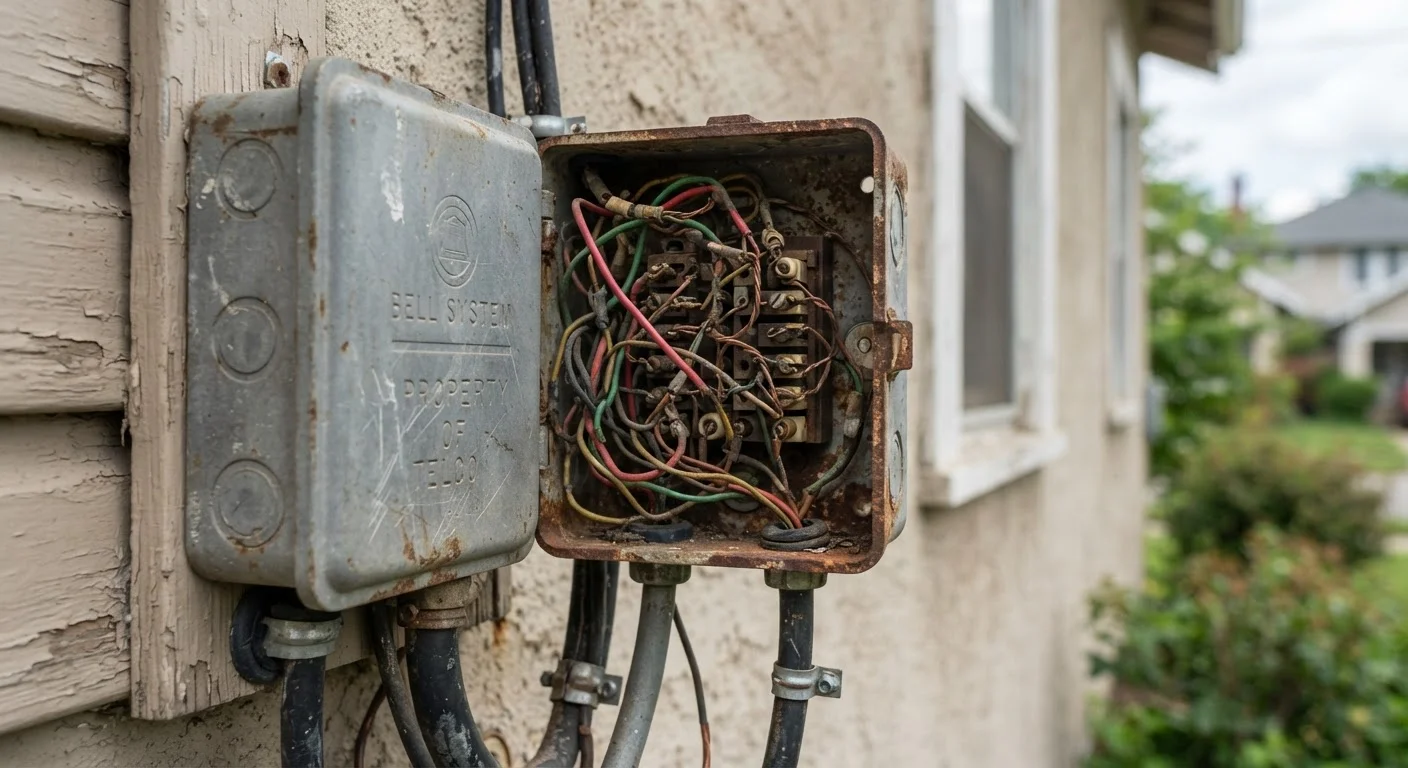
Photo credit: SearchLynk.net | Search Made Easier
In this article
DSL remains widely available in rural and suburban areas. Weigh its honest trade-offs before deciding if it fits your household's needs.
Key Takeaways
- DSL uses existing copper phone lines, making it widely available where cable or fiber hasn't reached.
- Download speeds typically range from 1 Mbps to 100 Mbps depending on distance from the provider's central office.
- DSL is generally adequate for basic browsing, email, and standard video streaming but can struggle with heavy multi-user households.
- Availability, not preference, is often the deciding factor - DSL may be the only wired option in rural or older suburban areas.
- Comparing DSL against fixed wireless and satellite is worthwhile before committing to any plan.
What DSL Actually Is - and How It Works
DSL, or Digital Subscriber Line, delivers internet access over the copper telephone wiring already installed in most American homes. Unlike a traditional dial-up connection, DSL transmits data on a separate frequency from voice calls, so you can use the phone and the internet simultaneously. The signal travels from your home to a central office - a facility maintained by the phone company - where it connects to the broader internet.
That last detail matters more than most people realize. The farther your home sits from the provider's central office, the weaker the signal and the slower your actual speeds. A home a few blocks away might receive close to the advertised rate; a rural property several miles out may see noticeably lower performance. For a broader grounding in how DSL compares to other connection types, see Home Internet Explained.
Where DSL Falls Short
DSL's core limitation is physics. Copper wire carries data less efficiently than fiber-optic cable or coaxial cable, and that gap widens as more devices compete for bandwidth. Upload speeds - critical for video calls, cloud backups, and remote work - are often significantly lower than download speeds on most DSL plans, a condition known as an asymmetric connection.
If your household streams video in 4K, plays online games, or regularly moves large files, you may find DSL's throughput limiting. Shoppers weighing alternatives should also review how fiber and cable internet differ before ruling them out.
Comparing DSL to Other Rural and Suburban Options
For households where cable and fiber aren't available, the realistic alternatives to DSL are usually fixed wireless or satellite internet. Each comes with its own trade-offs.
Check Availability at Your Specific Address
Internet service availability can vary dramatically within the same zip code or even the same street. A provider may offer fiber to one side of a neighborhood and only DSL to another. Always verify what technologies and speeds are available at your exact address - not just your general area - before making a decision. Provider websites, the FCC's broadband map, and local utility inquiries are useful starting points.
Fixed wireless delivers internet via radio signals from a nearby tower - speeds and reliability can rival entry-level cable in covered areas, but service depends heavily on line-of-sight terrain. Satellite internet, including newer low-earth-orbit services, has improved dramatically in latency and speed but tends to carry higher monthly costs and data considerations. A detailed comparison is available in our article on fixed wireless vs. satellite internet. If satellite is under consideration, the article on how satellite internet works is worth reading first.
Making the Right Call for Your Household
Choosing an internet connection isn't just a technology decision - it's a practical one shaped by what's actually available at your address. Before signing any agreement, confirm which providers serve your specific location, not just your zip code, and ask for speed estimates based on your distance from the nearest central office or tower.
~65%
U.S. households with DSL availability
According to FCC broadband data, DSL remains available to a majority of U.S. housing units, with particularly strong coverage in non-urban areas underserved by cable and fiber.
1-100 Mbps
Typical DSL download speed range
The FCC and industry sources indicate most residential DSL plans fall within this range, with actual speeds varying based on distance from the central office and local network conditions.
Questions worth asking any provider: What is the guaranteed minimum speed during peak hours? Is the connection truly unlimited, or does it throttle after a data threshold? What equipment is required, and are there rental fees? For a structured way to evaluate all these factors across connection types, the complete roadmap to choosing home internet service walks through each decision point in detail.

Author
Tech & Telecom Editorial Team
Tech & Telecom Editorial Team is the collective byline for our editorial team and contributor network. Articles published under this byline or an editorial pen name are researched, written, and reviewed according to our editorial standards for clarity, consistency, and independence before publication.
View all articles →