
The Beliefs About Phone Charging That Aren't True Anymore
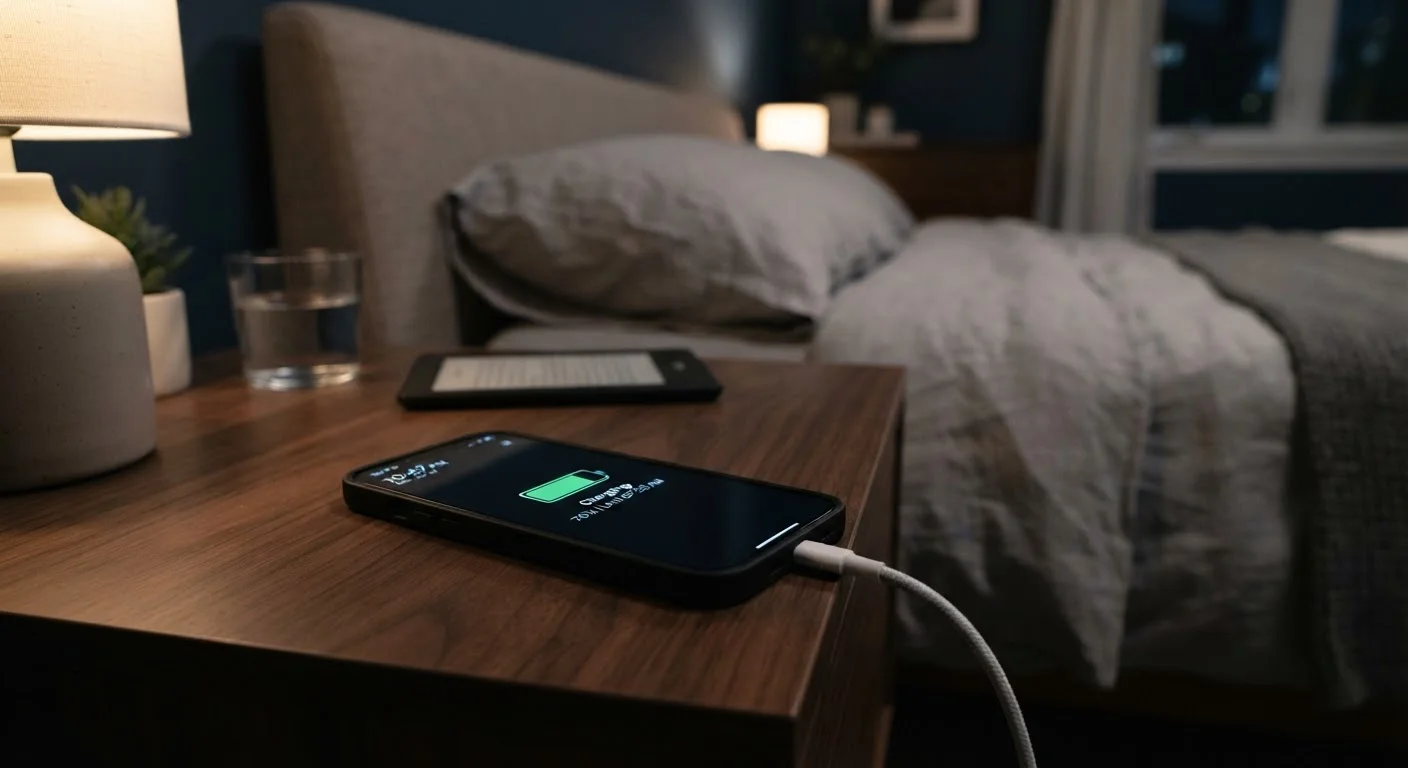
Photo credit: SearchLynk.net | Search Made Easier
In this article
Should you drain your battery before charging? Is overnight charging dangerous? Modern battery science tells a different story.
Key Takeaways
- Modern lithium-ion batteries do not need to be fully drained before recharging.
- Leaving your phone plugged in overnight is generally safe thanks to built-in charge management.
- Keeping battery charge between 20% and 80% can help extend overall battery lifespan.
- Heat - not charging frequency - is one of the biggest threats to battery health.
- Third-party cables are not inherently dangerous, but quality and certification matter.
Why Old Charging Advice Doesn't Apply to Modern Phones
A lot of the charging guidance floating around the internet dates back to the era of nickel-cadmium (NiCd) batteries - a chemistry that required full discharge cycles to avoid a phenomenon called "memory effect." Today's smartphones use lithium-ion (Li-ion) or lithium-polymer batteries, which operate on entirely different electrochemical principles. The old rules simply don't apply.
Understanding how your phone's battery actually works can help you avoid unnecessary anxiety - and unnecessary habits. For a deeper look at what causes long-term battery degradation, see why your phone battery degrades and what slows it down.
Myth
You should always drain your battery to 0% before charging it.
Fact
Fully draining a lithium-ion battery regularly can actually shorten its lifespan.
This advice came from older NiCd battery technology, which developed a "memory" if not fully discharged. Lithium-ion batteries have no such memory effect. Deep discharges - especially repeated ones - put additional stress on Li-ion cells and can reduce overall cycle life. Charging at any level is fine; waiting for zero is unnecessary and mildly counterproductive.
Myth
Leaving your phone charging overnight will damage the battery.
Fact
Modern smartphones have built-in charge controllers that stop drawing current once the battery reaches 100%.
Phones don't blindly accept electricity until they overheat. Charge management hardware and software - including Apple's Optimized Battery Charging and similar features on Android devices - are designed specifically to handle overnight charging. Some systems even learn your schedule and slow the final charging phase to reduce the time spent at 100%. That said, consistently charging in a hot environment (such as under bedding) is worth avoiding, since heat is a genuine stressor on battery cells.
Myth
Using a third-party charger will ruin your battery or void your warranty.
Fact
Certified third-party chargers are generally safe; the key is looking for relevant safety certifications.
Not all third-party chargers are created equal, but blanket avoidance isn't necessary. Chargers that carry recognized safety certifications (such as UL listing in the U.S.) have been tested to meet established electrical safety standards. The real risk comes from uncertified, very cheap chargers that may not regulate voltage properly. Using a quality certified cable and adapter - regardless of brand - is the relevant factor, not whether it came in the phone's original box.
Myth
Charging your phone multiple times a day wears it out faster.
Fact
Battery wear is measured in charge cycles, not in the number of times you plug in.
A charge cycle is defined as using an amount of charge equal to 100% of battery capacity - but that doesn't have to happen in a single session. Charging from 60% to 100% four times counts as roughly 1.6 cycles, not four. Topping off frequently in small increments is no more damaging than a single full charge. In fact, keeping the battery in a mid-range state more consistently can be gentler on the cells than swinging between extremes.
Myth
Heat from wireless charging makes it far worse for your battery than wired charging.
Fact
Wireless charging does generate slightly more heat, but the practical difference in battery aging is marginal under normal conditions.
Wireless (inductive) charging is somewhat less energy-efficient than wired charging, and that inefficiency is released partly as heat. Under controlled lab conditions, this can show up as a measurable difference in long-term capacity retention. However, for typical everyday use - placing your phone on a wireless pad for moderate periods - the real-world impact on battery lifespan is considered minor by most battery researchers. Extreme fast wireless charging in very warm environments is a more relevant concern than casual wireless use.
The Habits That Actually Matter for Battery Health
Once you've let go of the myths, a few evidence-based habits are worth adopting. The most impactful one: avoid extended exposure to high heat. Leaving your phone in a hot car, using it heavily while it's charging, or placing it under a pillow can raise internal temperatures enough to measurably accelerate battery aging.
Partial charging - topping off before the battery hits zero rather than waiting for a full drain - is actually better for Li-ion chemistry. Many device manufacturers and battery researchers suggest keeping charge levels roughly between 20% and 80% for day-to-day use when longevity is a priority, though hitting 100% occasionally causes no meaningful harm.
Heat Is the Biggest Real Threat to Battery Life
While most charging myths turn out to be harmless, heat exposure is a genuine concern backed by battery science. Consistently charging your phone in environments above roughly 95°F (35°C) - including inside hot cars or under pillows - can cause measurable, irreversible capacity loss over time. If your phone feels unusually hot while charging, moving it to a cooler surface and removing any case that traps heat are practical steps worth taking.
It's also worth noting that charging habits are only one variable in the total cost of owning and operating a smartphone. If you're reviewing your wireless spending more broadly, common patterns behind phone plan overspending are worth understanding separately. And if you enjoy separating fact from fiction across consumer topics, our piece on home internet myths that can lead you astray covers similar ground for broadband.

Author
Tech & Telecom Editorial Team
Tech & Telecom Editorial Team is the collective byline for our editorial team and contributor network. Articles published under this byline or an editorial pen name are researched, written, and reviewed according to our editorial standards for clarity, consistency, and independence before publication.
View all articles →