
DIY Home Improvement for First-Timers
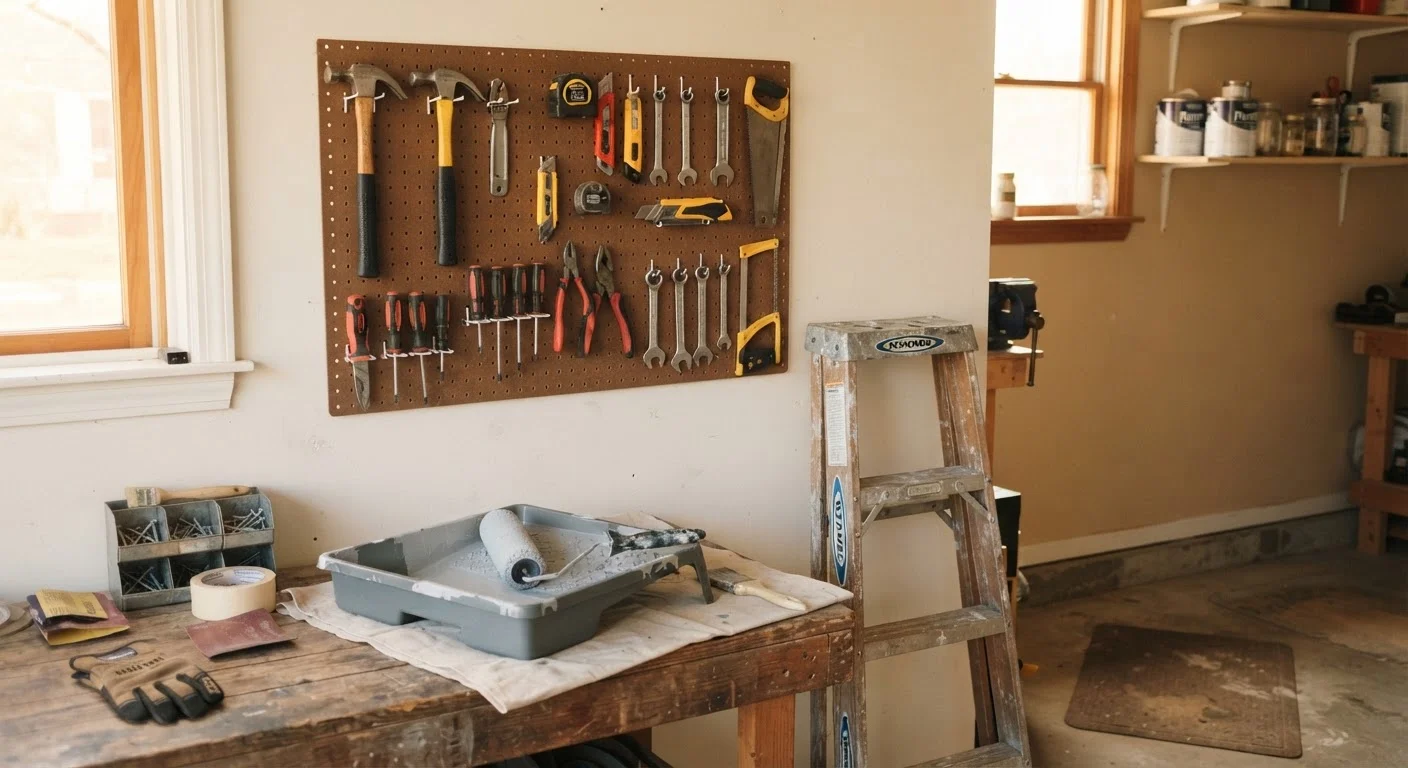
Photo credit: SearchLynk.net | Search Made Easier
In this article
A grounded introduction to tackling home projects yourself — what to start with, what to leave to pros, and how to build skills safely.
Key Takeaways
- Starting with small, low-risk projects builds skill and confidence before you tackle bigger work.
- A modest set of quality hand tools handles the majority of beginner DIY tasks.
- Electrical, gas, structural, and plumbing work that connects to mains should generally go to licensed professionals.
- Many jurisdictions require permits for renovations - always check local building codes before starting.
- Budgeting realistically, including a contingency fund, prevents projects from stalling midway.
Why First-Timers Should Start Small
The most common mistake new DIYers make is choosing a project that is too ambitious. Ambition is useful, but without foundational skills it leads to stalled projects, wasted materials, and frustration. A better strategy is to build competence through a sequence of progressively challenging tasks.
Think of early DIY like any other skill: you learn the vocabulary, develop hand-eye coordination, and gain judgment about materials before attempting anything complex. A first-timer who spends a weekend painting a room or replacing a light switch develops spatial awareness, learns how to prep surfaces properly, and figures out how long tasks actually take - all of which pays forward into bigger projects.
This approach also keeps risk low. Cosmetic and maintenance-level projects rarely require permits, rarely endanger structural integrity, and are generally reversible if something goes wrong. That safety margin is valuable while your skills are still forming. If you enjoy tackling your home space as much as your yard, the same gradual mindset applies - see our guide to starting a garden from scratch for how beginners build outdoor skills the same way.
Document Before You Dismantle
Before starting any project that involves removing or altering something, take clear photographs of the original state. This gives you a reference if you need to backtrack, and it is invaluable if you later need to describe the work to a contractor or inspector.
Building Your Basic Toolkit
You do not need a fully stocked workshop to handle most beginner projects. A modest collection of quality hand tools covers the vast majority of what a first-timer will encounter.
Load-bearing wall
A wall that supports the weight of the structure above it. Removing or modifying these walls without proper engineering guidance can compromise your home's structural stability.
Stud
The vertical framing members inside your walls, typically spaced 16 or 24 inches apart. Anchoring shelves or heavy objects into studs (rather than drywall alone) provides secure support.
Joint compound
A paste-like material used to fill gaps, seams, and holes in drywall. It is applied in thin coats, allowed to dry, and then sanded smooth before painting.
Permit
Official approval from your local building authority to carry out a specific type of construction or renovation work. Permitted work is typically subject to inspections to ensure safety compliance.
Weatherstripping
Flexible sealing material applied around doors and windows to block drafts, moisture, and energy loss. It is one of the simplest and most cost-effective home improvements available.
Contingency budget
A financial buffer - typically 15-20% of estimated project cost - set aside to cover unexpected expenses like hidden damage, material price changes, or first-timer mistakes.
- Hammer - for driving and removing nails
- Screwdrivers - both flathead and Phillips, in a couple of sizes
- Tape measure - 25-foot retractable is the standard household choice
- Level - a 24-inch torpedo or standard level for hanging shelves and artwork
- Utility knife - for scoring drywall, cutting caulk, and general trimming
- Drill/driver - a cordless drill handles screws, small holes, and furniture assembly
- Adjustable wrench and pliers - for basic plumbing fixture work and general fastening
- Safety glasses and work gloves - non-negotiable for any project involving dust, debris, or sharp materials
Buy the best quality you can reasonably afford in each category. Cheap tools often fail at the moment they matter most and can create safety hazards. You do not need to buy everything at once - assemble your toolkit project by project as needs arise.
Projects Worth Tackling Yourself
The following project types are well-suited to beginners because they involve accessible skills, forgiving materials, and low structural or safety stakes:
- Interior painting - Prep (cleaning, taping, priming) is 80% of the job. Learn to cut in at edges before rolling, and you will get professional-looking results.
- Patching drywall - Small holes from nails or door handles can be filled with premixed joint compound and sanded smooth. Larger patches require a patch kit but remain beginner-accessible.
- Caulking and weatherstripping - Sealing gaps around windows, doors, and fixtures reduces drafts and moisture intrusion. A tube of appropriate caulk and a caulk gun are the only tools needed.
- Replacing faucets and showerheads - These fixtures connect at the supply shutoff and do not require soldering or cutting into supply lines. Most replacements take under an hour.
- Installing shelving - Wall-mounted shelves require locating studs (a stud finder helps), drilling correctly sized holes, and using appropriate anchors for your wall type.
- Basic landscaping and garden prep - Edging, mulching, and raised bed construction extend naturally from indoor DIY skills.
Common renovation myths - like the idea that DIY always saves money - are worth examining before you start, so you go in with realistic expectations.
When to Call a Licensed Professional
Knowing where to stop is just as important as knowing where to start. Several categories of home work carry genuine safety, legal, or structural risk that places them firmly outside beginner territory.
- Electrical panel work and new circuit installation - Work beyond replacing an outlet or switch (like adding circuits or upgrading the panel) involves serious shock and fire risk and typically requires a licensed electrician and permit.
- Gas lines - Any work involving natural gas or propane supply lines should always be performed by a licensed professional. Gas leaks are life-threatening.
- Structural and load-bearing changes - Removing or modifying walls, headers, or beams without engineering input can compromise your home's structural integrity.
- Main plumbing connections - Tying into supply or drain lines within walls or under slabs typically requires a licensed plumber and an inspection.
- Roofing - Working at height on a pitched roof carries significant fall risk and improper repairs can void warranties and cause water damage.
Unpermitted Work Can Cost You Later
Skipping a required permit to save time is a common shortcut that can create serious problems. Home inspectors typically flag unpermitted work during sale transactions, and some insurance claims can be denied if work was not done to code. Always check with your local building department before starting structural, electrical, plumbing, or HVAC work.
Always verify whether your project requires a building permit. Many jurisdictions require them for anything beyond cosmetic work. Unpermitted work can create complications when you sell your home and may not be covered by homeowners insurance.
Planning and Budgeting Your Project
A project that runs out of money or materials halfway through is more disruptive than one that was never started. Solid planning before you pick up a tool makes an enormous difference.
Start by writing down exactly what the finished project looks like and what it will take to get there - materials, tools, and time. Research material costs at multiple suppliers so your estimate reflects real prices. Build in a contingency of at least 15-20% for mistakes, unexpected conditions (like discovering rot behind a tile you removed), and price variability.
Time is also a resource. Most first-timers underestimate how long projects take. A room that an experienced painter completes in a day may take a beginner a full weekend once prep and cleanup are factored in. Set realistic timelines and avoid starting projects you cannot safely pause if needed.
For help structuring your overall home budget alongside project costs, our personal budgeting guide walks through how to allocate funds and build financial buffers for irregular expenses like home repairs. And if you want to explore how your home fits into a broader financial picture, see our introduction to buying a first home for context on equity, maintenance obligations, and long-term ownership costs.
Frequently Asked Questions

Author
Home & Garden Editorial Team
Home & Garden Editorial Team is the collective byline for our editorial team and contributor network. Articles published under this byline or an editorial pen name are researched, written, and reviewed according to our editorial standards for clarity, consistency, and independence before publication.
View all articles →