
Stress Management from the Ground Up
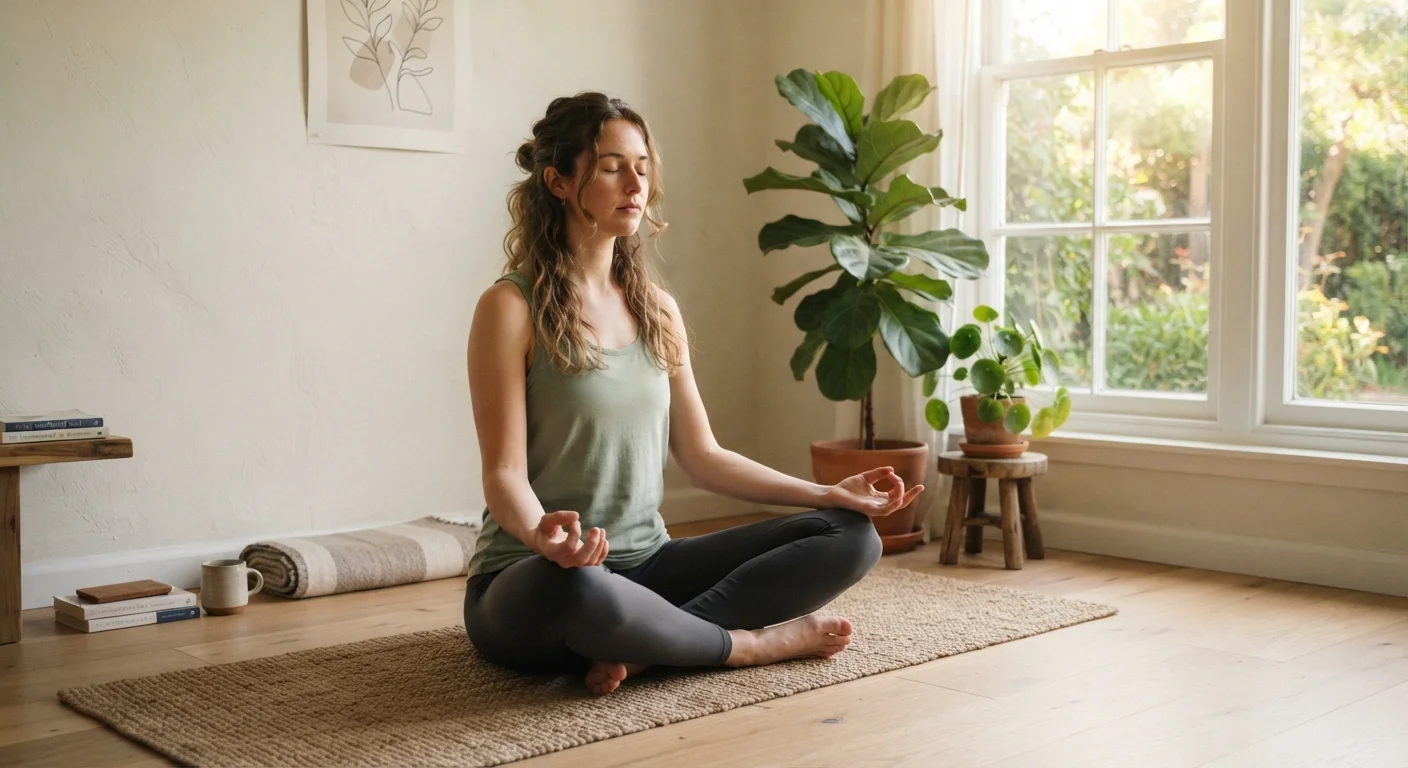
Photo credit: SearchLynk.net | Search Made Easier
In this article
A comprehensive look at how stress works, how it builds up, and the range of evidence-informed strategies people use to manage it more effectively.
Key Takeaways
- Stress is a normal biological response, but chronic stress can meaningfully harm physical and mental health.
- Evidence-informed strategies span physical, cognitive, emotional, and environmental approaches.
- No single technique works for everyone - building a personal toolkit matters more than finding a perfect solution.
- Lifestyle factors like sleep, nutrition, and environment play a significant supporting role in stress resilience.
- Persistent or overwhelming stress warrants professional guidance, not self-management alone.
What Stress Actually Is
Stress is the body's built-in response to perceived demands or threats. When the brain detects a stressor - whether a real physical danger or a looming work deadline - it triggers a cascade of hormonal and nervous system changes. Cortisol and adrenaline rise, heart rate increases, and the body enters a state of readiness often described as the "fight-or-flight" response.
This response evolved to be short-lived and protective. The problem arises when stressors are persistent rather than momentary, keeping the body in a prolonged state of physiological arousal. Researchers distinguish between acute stress (short-term, typically resolved quickly) and chronic stress (ongoing, without sufficient recovery). Both are normal human experiences, but their long-term effects differ considerably.
Understanding this distinction is the starting point for managing stress effectively. The goal isn't to eliminate stress entirely - some degree of challenge is associated with engagement and growth - but to prevent it from accumulating beyond what the body and mind can recover from.
How Chronic Stress Builds Up
Chronic stress rarely announces itself dramatically. It tends to accumulate gradually through a combination of ongoing pressures - financial strain, relationship difficulties, work demands, health concerns, or major life transitions. Over time, without adequate recovery, these pressures compound.
77%
Americans reporting physical symptoms of stress
According to American Psychological Association survey data, a large majority of adults report experiencing physical symptoms they attribute to stress.
3 in 5
Adults saying work is a significant stress source
Workplace stress consistently ranks among the top sources of chronic stress in U.S. adult population surveys.
~33%
Adults reporting they don't do enough to manage stress
APA Stress in America reports have repeatedly found that a significant share of adults acknowledge their stress management is inadequate.
The physiological effects of prolonged stress are well-documented. Sustained elevation of cortisol is associated with disrupted sleep, impaired immune function, changes in mood and cognition, and increased risk of cardiovascular problems. Behaviorally, people under chronic stress often find themselves less able to concentrate, more reactive emotionally, and prone to habits - like disrupted eating or reduced physical activity - that further reduce resilience.
Identifying your own stress patterns is a practical first step. Common warning signs include persistent fatigue, difficulty sleeping, increased irritability, physical tension (especially in the neck, shoulders, or jaw), and a sense of being overwhelmed by tasks that previously felt manageable. These are signals worth taking seriously, not pushing through.
Physical Strategies That Help
The body is both a receiver and a regulator of stress. Physical strategies work by directly influencing the nervous system, hormonal balance, and overall physiological state.
- Regular movement: Physical activity - even moderate, consistent exercise like walking - is one of the most reliably supported stress-reduction tools in behavioral science. It helps reduce circulating stress hormones and supports mood-regulating neurochemistry.
- Controlled breathing: Slow, deliberate breathing (particularly extending the exhale) activates the parasympathetic nervous system, counteracting the fight-or-flight response. Techniques like diaphragmatic breathing or the 4-7-8 pattern are widely used in clinical and self-help settings.
- Progressive muscle relaxation: Systematically tensing and releasing muscle groups helps reduce physical tension and trains awareness of where stress is held in the body.
- Sleep prioritization: Sleep is not passive recovery - it's when the brain consolidates learning, regulates emotion, and clears metabolic waste. Chronic stress and poor sleep form a reinforcing cycle; addressing sleep quality is often one of the highest-leverage moves available.
When building a movement habit for stress relief, consistency matters far more than intensity. A 20-minute walk most days is more sustainable - and likely more effective for stress - than infrequent intense sessions.
Research on exercise and mental health generally shows that regular, moderate activity produces the most reliable mood and stress benefits, with diminishing returns at extreme intensities for this specific purpose.
Don't wait until you feel overwhelmed to practice breathing or relaxation techniques. Practicing them during low-stress moments builds the neural familiarity that makes them accessible when you actually need them.
Skill acquisition under calm conditions transfers more effectively to high-stress situations - a principle well-established in behavioral and performance psychology.
Nutrition also plays a supporting role. Diets high in ultra-processed foods and low in fiber and micronutrients are associated with poorer mood regulation, though this is an area of active research. For broader context on eating well, see the Nutrition & Diet hub for evidence-grounded guidance.
Mental and Emotional Approaches
Stress is as much a cognitive experience as a physical one. How we interpret and respond to stressors - not just their objective intensity - shapes how much distress we feel.
Cognitive reframing involves examining whether a thought about a stressor is accurate and proportionate, and deliberately considering alternative perspectives. This doesn't mean minimizing real problems - it means challenging catastrophic or distorted thinking patterns that amplify distress beyond what the situation warrants.
Mindfulness practice - cultivating non-judgmental awareness of present-moment experience - has a meaningful evidence base for stress reduction. Mindfulness-Based Stress Reduction (MBSR), a structured program developed by Jon Kabat-Zinn, has been studied extensively and shows consistent benefits for perceived stress and emotional regulation. See our companion piece on emotional regulation for a deeper look at the underlying skills.
Expressive writing is another well-studied approach. Writing about stressful experiences - thoughts, feelings, and meaning - has been shown to support emotional processing. Our guide on journaling for emotional health covers the research and how to get started.
Social connection also functions as a powerful emotional buffer. Confiding in trusted others, seeking perspective, and feeling heard are all associated with reduced stress reactivity.
Environment and Lifestyle Factors
Stress doesn't exist in a vacuum - the environments we inhabit and the structures of our daily lives either add to or subtract from our stress load.
Physical environment matters more than is often appreciated. Cluttered, chaotic spaces can contribute to a persistent low-level sense of overwhelm. Conversely, organized, manageable environments support a sense of control. For practical guidance on creating calmer living spaces, explore our comprehensive home organization guide.
Financial stress is one of the most consistently cited stressors in population surveys. While financial circumstances vary enormously, building basic money management skills can reduce the sense of chaos that amplifies financial anxiety. Our personal budgeting guide offers a grounded starting point.
Daily habits - what you do consistently, rather than occasionally - form the foundation of stress resilience over time. Small, repeatable actions accumulate into meaningful change. Our article on daily habits that support a calmer mind explores this in depth.
When to Seek Professional Support
Self-management strategies are genuinely useful - and the research supports many of them - but they have limits. Some stress is rooted in circumstances that require more than technique: grief, trauma, relationship breakdown, serious illness, or mental health conditions that benefit from clinical care.
Signs that professional support may be warranted include: stress that significantly impairs daily functioning, persistent low mood or anxiety, physical symptoms without clear medical cause, difficulty maintaining relationships, or reliance on alcohol, substances, or other harmful coping behaviors to get through the day.
Mental health professionals - including psychologists, licensed therapists, and counselors - offer evidence-based treatments (such as Cognitive Behavioral Therapy) that go well beyond what self-help alone can provide. Primary care physicians are also a reasonable first contact if you're unsure where to start.
Seeking help is not a sign that self-management has failed. It's a sign of accurate self-assessment - one of the most important stress management skills there is.
This article is for general informational and educational purposes only and does not constitute medical advice. Always consult a qualified healthcare professional for personal health concerns, symptoms, or decisions about your care.

Author
Health & Wellness Editorial Team
Health & Wellness Editorial Team is the collective byline for our editorial team and contributor network. Articles published under this byline or an editorial pen name are researched, written, and reviewed according to our editorial standards for clarity, consistency, and independence before publication.
View all articles →