
The 50/30/20 Rule vs. Zero-Based Budgeting
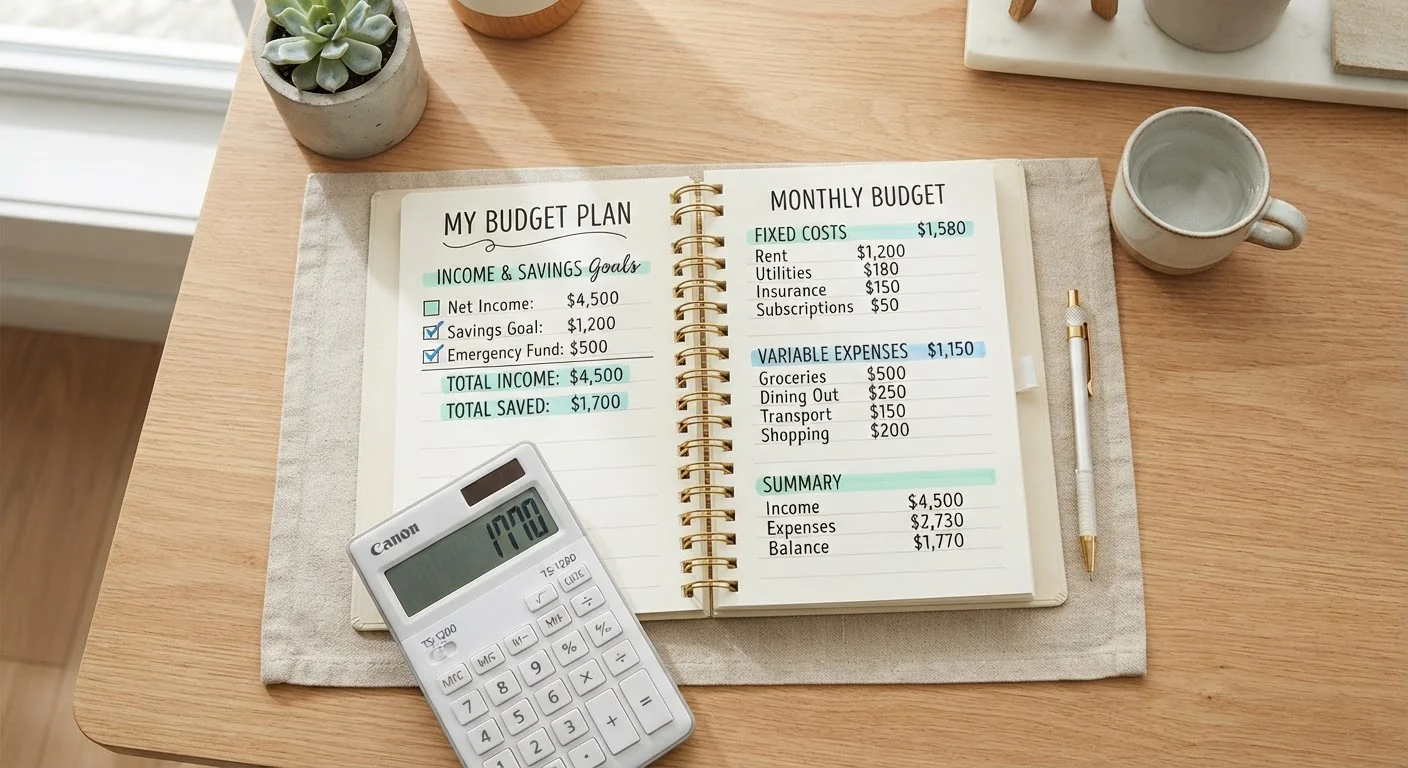
Photo credit: SearchLynk.net | Search Made Easier
Two of the most popular personal budgeting frameworks compared side by side — how they work, who they suit, and where each one falls short.
Key Takeaways
- The 50/30/20 rule splits income into needs, wants, and savings using fixed percentages - quick to set up.
- Zero-based budgeting assigns every dollar a purpose before the month begins, leaving a balance of zero.
- The 50/30/20 rule is more flexible; zero-based budgeting demands more time but reveals more detail.
- Neither method guarantees financial outcomes - consistency and personal fit matter most.
- Both frameworks work best when built on a clear picture of your actual take-home income.
How Each Framework Works
Before choosing a budgeting method, it helps to understand the mechanics behind each one. If you're brand new to the concept of structured budgeting, the Personal Budgeting From the Ground Up guide is a useful starting point.
The 50/30/20 Rule
Popularized in personal finance circles, the 50/30/20 rule divides your after-tax income into three buckets:
- 50% for needs: Rent or mortgage, utilities, groceries, minimum debt payments, insurance - expenses you can't reasonably avoid.
- 30% for wants: Dining out, subscriptions, travel, entertainment - discretionary spending that improves quality of life but isn't essential.
- 20% for savings and debt repayment: Emergency fund contributions, retirement accounts, and paying down debt beyond minimums.
The appeal is its simplicity. Once you calculate your monthly take-home pay, applying percentages takes minutes. There's no need to itemize every purchase or build a detailed category list.
Zero-Based Budgeting
Zero-based budgeting (ZBB) operates on a different principle: income minus all planned expenses, savings, and debt payments should equal exactly zero by the end of each budget cycle. Every dollar is assigned a job before the month begins - whether that's rent, groceries, an emergency fund, or a specific debt.
This doesn't mean spending everything you earn. It means every dollar has an intentional destination, including savings. For a closer look at how this level of detail plays out in practice, see The Pros and Cons of Budgeting Every Dollar.
| Criterion | 50/30/20 Rule | Zero-Based Budgeting |
|---|---|---|
| Setup complexity | Low - three broad categories | High - detailed line-item planning |
| Monthly time commitment | Minimal - percentages stay fixed | Moderate to high - rebuilt each month |
| Spending visibility | Broad - category-level only | Granular - every expense named |
| Flexibility for variable income | High - recalculate percentages easily | Moderate - requires rebuilding the plan |
| Best for debt payoff focus | Moderate - 20% bucket is adjustable | Strong - dollar-by-dollar allocation |
| Ideal experience level | Beginners to intermediate | Intermediate to experienced |
| Risk of overspending in a category | Higher - broad buckets can mask issues | Lower - named categories flag problems quickly |
Strengths, Limitations, and Who Each Suits
No budgeting method is universally superior - the right fit depends on your lifestyle, financial goals, and how much time you're willing to invest each month.
~40%
Americans with no formal monthly budget
Surveys from the National Financial Educators Council and similar organizations consistently find that a large share of U.S. adults do not follow a structured budget.
3-6 months
Recommended emergency fund target
Most financial guidance suggests maintaining three to six months of essential expenses in liquid savings - a goal either framework can help build toward.
$1,000+
Average unplanned monthly spending identified
Research from financial wellness programs suggests many households discover significant untracked discretionary spending once they adopt a detailed budgeting method like ZBB.
Where the 50/30/20 Rule Shines
The 50/30/20 framework is forgiving. If your income changes month to month, recalculating three percentages is far less work than rebuilding an entire line-item budget. It's also approachable for people who find detailed tracking overwhelming. The broad categories create structure without rigidity.
Its main limitation is precision. Grouping all "needs" into one 50% bucket can obscure overspending in a specific category - for example, a household might stay within 50% for needs overall while consistently overspending on food and underfunding utilities. The framework also assumes the standard splits will work for your cost of living, which may not be realistic in high-cost cities where housing alone can consume 40% of take-home pay.
Where Zero-Based Budgeting Excels
Zero-based budgeting forces clarity. When every dollar has a named destination, it becomes much harder to ignore financial leaks - subscriptions you forgot about, impulse purchases that add up. This makes it particularly effective for households actively working to reduce debt or build savings quickly.
The trade-off is time and discipline. Building a zero-based budget from scratch each month is genuinely demanding, especially for those with irregular income or complex household finances. Missing a category or failing to update the budget mid-month can quickly throw the plan off track. For readers exploring other structured approaches, Envelope Budgeting vs. Digital Spending Trackers covers related methods worth considering.
Unfamiliar with terms like discretionary income or sinking fund? The Key Budgeting Terms Every American Should Know reference is a helpful companion to either method.
Your Income Baseline Matters
Both frameworks rely on accurate knowledge of your take-home pay - the amount deposited after taxes and any pre-tax deductions like health insurance or 401(k) contributions. Using gross income instead of net income is one of the most common setup mistakes. If your income varies month to month, consider using a conservative estimate - typically your lowest recent month - as your planning baseline.
This article is for general informational and educational purposes only. It does not constitute personalized financial advice. Consider consulting a qualified financial professional before making significant changes to your financial plan.

Author
Finance Editorial Team
Finance Editorial Team is the collective byline for our editorial team and contributor network. Articles published under this byline or an editorial pen name are researched, written, and reviewed according to our editorial standards for clarity, consistency, and independence before publication.
View all articles →