
Solo Travel Safety: Habits That Experienced Independent Travelers Swear By
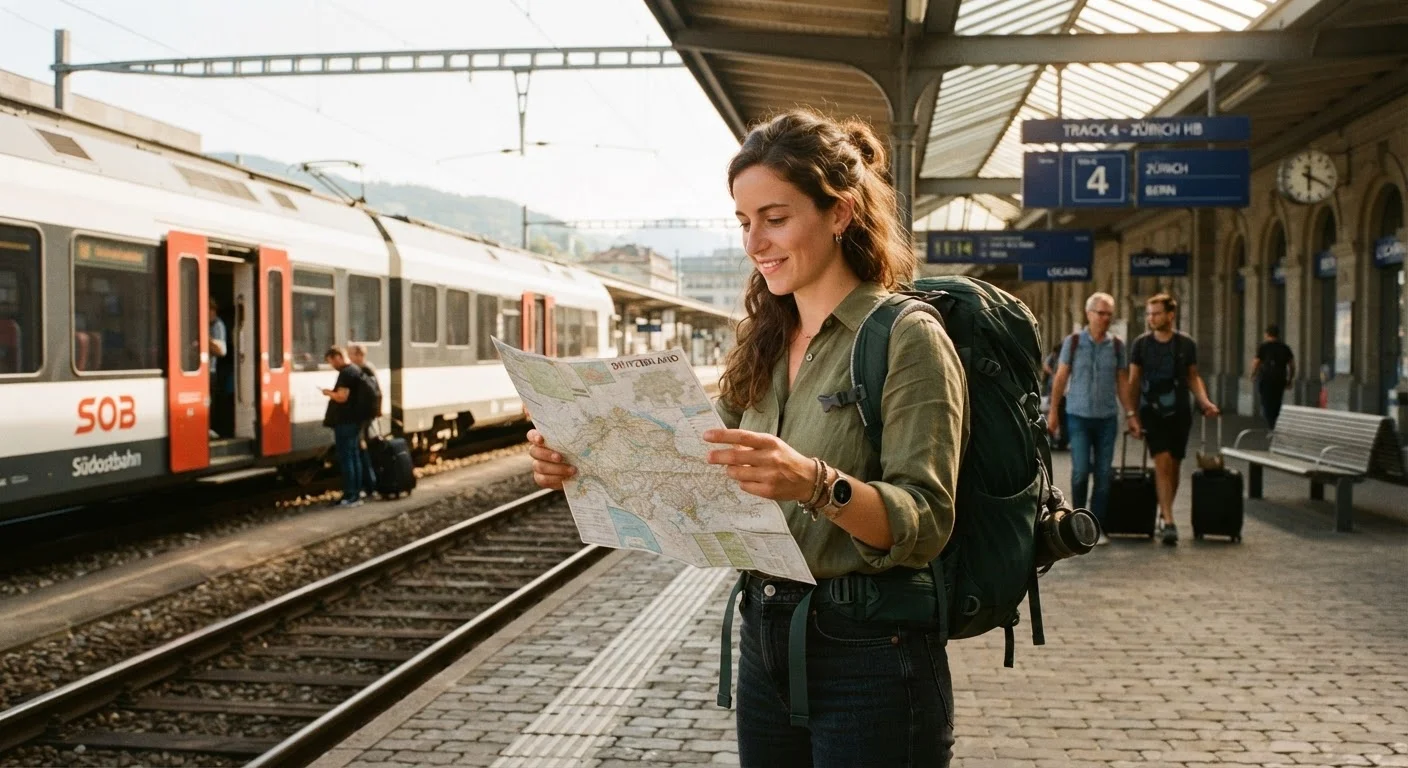
Photo credit: SearchLynk.net | Search Made Easier
In this article
Practical safety habits for solo travelers—covering accommodation choices, sharing itineraries, situational awareness, and digital security.
Key Takeaways
- Sharing your itinerary with a trusted contact at home is one of the simplest and most effective safety habits.
- Situational awareness - staying present and observant - reduces risk more than any single gadget or app.
- Digital security matters as much as physical security; unsecured Wi-Fi and oversharing location data create real vulnerabilities.
- Accommodation choices significantly affect both safety and access to reliable local information.
- Building flexibility into your plans lets you respond calmly when something goes wrong.
Why Safety Habits Matter More Than Safety Gear
Solo travel is one of the most rewarding ways to see the world - and one of the most misunderstood when it comes to risk. Many first-time independent travelers focus on what to pack: door alarms, money belts, emergency whistles. While those items have their place, experienced solo travelers consistently point to habits and decision-making as the real difference-makers.
Safety on the road isn't primarily about where you're going - it's about how consistently you apply a small set of practical behaviors. The habits in this article are drawn from widely shared advice among experienced independent travelers and travel safety educators. They apply across most destinations and trip types.
If you're still shaping your overall travel plan, our guide to building a realistic itinerary can help you structure days that leave room for the unexpected - which is a safety consideration in itself.
Core Safety Practices Experienced Solo Travelers Use
The following practices represent the habits that come up repeatedly among people who travel independently and frequently. None require expensive equipment or specialized training - just consistent attention.
Share a detailed itinerary with at least one trusted person at home
If something goes wrong - a missed check-in, an accident, a sudden illness - someone needs to know where you were supposed to be and when. A vague "I'm in Portugal" is far less useful than a shared document with accommodation addresses, transportation bookings, and planned daily movements. Many experienced solo travelers also set up a regular check-in schedule with their contact.
Stay present and observe your surroundings when arriving somewhere new
The first hour in a new place - arriving at a train station, stepping off a bus, checking into accommodation - is when travelers are most distracted and most vulnerable. Phones should be pocketed, bags held close, and attention directed outward. This is also when locals notice who looks disoriented and who seems purposeful.
Choose accommodation in well-lit, accessible areas with verifiable reviews
Where you sleep affects how safely you can move at different hours, your access to transit and services, and the quality of local information you can get from staff. Accommodation in poorly lit or isolated locations adds logistical friction that compounds if an emergency arises. Staff at well-run properties - particularly guesthouses and hotels with a local focus - are also often an underrated source of current, on-the-ground safety knowledge.
Keep physical copies of critical documents separate from the originals
Losing a passport, having a bag stolen, or having a phone fail can strand you without identification or proof of insurance. Keeping a photocopy - or a secure digital scan - of your passport photo page, travel insurance policy, emergency contacts, and key booking confirmations in a separate location from the originals gives you a recovery path.
Trust your instincts and give yourself permission to exit uncomfortable situations
Experienced solo travelers frequently cite instinct as a practical safety tool - not a mystical one. Feeling uneasy in a situation, even without being able to articulate why, is data worth acting on. Social discomfort about seeming rude or overly cautious should not override a genuine sense that something is wrong.
Know the local emergency number and nearest embassy or consulate before you need them
Emergency numbers vary by country - 911 is a US convention, not a global one. Knowing the correct local number and having your country's nearest consular contact saved in advance means you're not searching under stress. Your government's official travel website is the authoritative source for this information for your destination.
Quick Actions You Can Take Before Your Trip Departs
Many of the most effective safety measures happen before you leave home. Use the window between booking and departure to put these in place - they take minutes but can matter enormously if something goes wrong mid-trip.
For broader context on what first-time international travelers often get wrong in the planning phase, see our article on common myths about international travel.
Digital Security: The Often-Overlooked Dimension
Physical awareness gets most of the attention in solo travel safety conversations, but digital habits are equally important. Using public Wi-Fi in cafes, airports, and hotels without a VPN (Virtual Private Network - software that encrypts your internet connection) exposes your passwords, banking details, and email to potential interception.
Avoid accessing financial accounts on unsecured networks. Be cautious about how much location detail you post to social media in real time - broadcasting that you're alone in a specific neighborhood is information that can be exploited. Many experienced solo travelers post location updates after they've moved on, not while they're still there.
Official Travel Advisories: Check Before You Go
The U.S. Department of State publishes destination-specific travel advisories at travel.state.gov, rated on a four-level scale from "Exercise Normal Precautions" to "Do Not Travel." These advisories are updated based on safety conditions, entry requirements, and local law changes. Always verify current advisory status - and any visa, vaccination, or entry requirements - through official government sources before your trip, as conditions can change.
Solo travel also intersects with physical wellbeing in ways that are easy to underestimate. Our guide to staying healthy on long trips covers practical approaches to managing health away from home, including when to seek local medical care.

Author
Travel & Trips Editorial Team
Travel & Trips Editorial Team is the collective byline for our editorial team and contributor network. Articles published under this byline or an editorial pen name are researched, written, and reviewed according to our editorial standards for clarity, consistency, and independence before publication.
View all articles →