
Southeast Asia as a First International Trip: What to Expect Across the Region
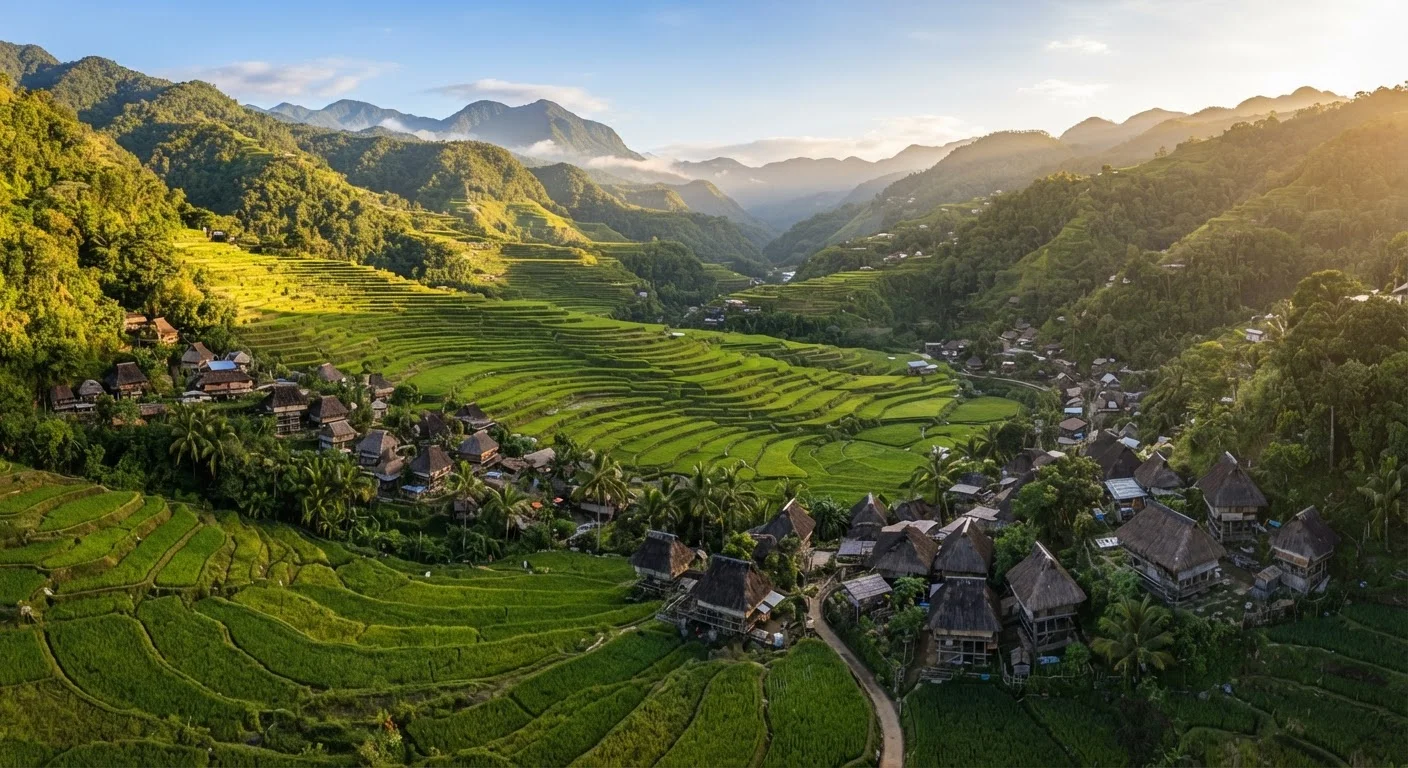
Photo credit: SearchLynk.net | Search Made Easier
In this article
Thailand, Vietnam, and Indonesia attract millions of first-time international travelers. Here's an honest overview of logistics, culture, and regional differences.
Key Takeaways
- Southeast Asia's major destinations vary significantly in infrastructure, culture, and visitor experience - research each country separately.
- Visa rules differ by country and nationality; verify requirements with official government sources before booking.
- Most first-timers find Thailand the most logistically straightforward starting point, but Vietnam and Bali each offer distinct experiences.
- Budget-friendly doesn't mean effort-free - weather, scams, and cultural norms require preparation.
- Health precautions such as vaccinations and travel insurance should be discussed with a healthcare provider before departure.
Why Southeast Asia Appeals to First-Time International Travelers
Southeast Asia consistently ranks among the most popular destinations for Americans taking their first international trip - and for understandable reasons. The region offers a combination of affordable daily costs compared to Western Europe, a well-established tourist infrastructure in major hubs, and dramatic cultural contrast that makes the experience feel genuinely transformative.
That said, "Southeast Asia" encompasses eleven countries with distinct languages, governments, religions, and travel logistics. What's easy in Bangkok may be complicated in a rural part of Myanmar. Before you start planning, it helps to narrow your focus to a country or two rather than attempting a sweeping multi-nation itinerary on a first trip.
For foundational trip-planning knowledge - passports, visas, currency, and entry documents - see our guide for first-time international travelers before you dive into destination specifics.
Entry Requirements, Visas, and Health Prep
Visa policies across Southeast Asia shift periodically, so this section covers what to look for rather than quoting figures that may be outdated by your travel date. Always verify current requirements through the U.S. Department of State's travel website and the official embassy or consulate of each country you plan to visit.
Visa on arrival
A visa issued at the port of entry (airport or border crossing) rather than obtained in advance from an embassy. Availability and eligibility vary by nationality and destination.
E-visa
An electronic visa applied for and approved online before travel. The approved document is typically presented digitally or as a printout at the border.
Travel medicine clinic
A medical facility or provider specializing in health risks associated with international travel, including destination-specific vaccinations and preventive medications.
Medical evacuation coverage
A type of travel insurance benefit that covers the cost of transporting a seriously ill or injured traveler to a facility capable of providing appropriate care, which can be extremely expensive without insurance.
Smart Traveler Enrollment Program (STEP)
A free U.S. government service that allows Americans traveling or living abroad to register their trip with the nearest U.S. Embassy, making it easier to receive safety updates and emergency assistance.
Health preparation is equally important. Depending on your destination and activities, a travel medicine clinic or your primary care provider may recommend vaccinations (such as hepatitis A, typhoid, or others) and medications for conditions like malaria in certain areas. Consult a qualified healthcare professional well before departure - ideally six to eight weeks out - since some vaccines require multiple doses over time.
Travel insurance that covers medical evacuation is strongly recommended. Healthcare quality varies considerably across the region, and medical evacuation can be extremely expensive without coverage.
This article provides general travel information only. Consult official government sources and qualified healthcare professionals for decisions about vaccinations, medications, and entry requirements specific to your itinerary.
What to Expect at Key Destinations
Thailand is often called the most beginner-friendly entry point in the region. Bangkok has a functioning metro system, widespread English signage in tourist areas, and a well-worn backpacker trail that provides built-in orientation. Temples (called wats) require modest dress - covered shoulders and knees - and shoes must be removed before entering. Northern Thailand (Chiang Mai) offers a different, slower pace than Bangkok or the southern islands.
Vietnam runs nearly 1,000 miles north to south, meaning Hanoi and Ho Chi Minh City feel like different countries in terms of food, dialect, and atmosphere. Crossing streets in major cities - where traffic rarely fully stops - surprises many first-timers; the standard advice is to walk steadily and let traffic flow around you. Domestic flights between cities are generally reliable and reasonably priced.
Bali, Indonesia is technically one island within the world's largest archipelago. Most visitors stay in the southern resort areas (Seminyak, Kuta, Ubud) and never experience the broader complexity of Indonesia. Bali is Hindu-majority in a predominantly Muslim country, which shapes its festivals, temples, and daily rhythms in distinctive ways. Surf culture, rice terraces, and temple ceremonies coexist with heavily commercialized tourist zones.
Start with One Country, Not a Grand Tour
First-time visitors often underestimate travel time between Southeast Asian destinations. A two-week trip attempting Thailand, Vietnam, and Bali will feel rushed and exhausting. Choosing one or two destinations allows you to go deeper, recover from jet lag properly, and actually enjoy each place rather than constantly checking transport schedules.
Getting Around Within and Between Countries
Within cities, ride-hailing apps (the dominant regional platforms are Grab and Gojek in most areas) have largely standardized urban transport for visitors and removed much of the negotiation previously required for tuk-tuks and taxis. Download relevant apps before you arrive and confirm they operate in your specific destination.
Between cities and countries, the options range from budget airlines to overnight trains to long-distance buses. Overnight trains in Thailand and Vietnam, for instance, are a practical way to cover ground while saving on accommodation. Budget airline carriers operate extensively across the region but check baggage policies carefully - carry-on and checked limits vary and fees add up quickly.
Road conditions and driving norms differ sharply from the U.S. Renting motorbikes is popular among experienced travelers but carries real risk, particularly for those unfamiliar with left-side traffic (in some countries) or chaotic urban roads. Exercise caution and verify whether your travel insurance covers motorbike accidents.
For a broader look at navigating travel logistics smartly, explore the Travel Tips hub for packing, budgeting, and safety guidance.
Culture, Etiquette, and Setting Realistic Expectations
Showing respect for local customs goes a long way. Across most of the region, the general principles include: dress modestly at religious sites, remove shoes when asked, avoid public displays of frustration or anger (losing face is taken seriously in many Southeast Asian cultures), and use both hands when giving or receiving items as a sign of respect.
Bargaining is expected at markets in many destinations but not in established shops or restaurants with printed menus. Over-bargaining on small amounts - aggressively negotiating a dollar off a handmade item - can come across as disrespectful. A friendly approach almost always works better than confrontation.
Understand Local Laws Before You Go
Several Southeast Asian countries have laws that differ significantly from U.S. norms - including strict regulations around drugs (with severe penalties including imprisonment), restrictions on criticism of the government or monarchy, and rules about religious site behavior. Ignorance of local law is not a legal defense. Review the U.S. Department of State's country-specific information pages before traveling.
Scams targeting tourists exist in every popular destination. Common ones include: inflated "meter off" taxi fares, tuk-tuk drivers steering you to commission-paying gem or tailor shops, and unofficial tour operators at temples. Awareness - not paranoia - is the best protection. Research the specific scams common to each city you visit before you arrive.
Finally, adjust your expectations around pace and unpredictability. Buses run late. Weather changes plans. Attractions close for local holidays. The travelers who enjoy Southeast Asia most tend to be those who build flexibility into their itineraries rather than over-scheduling every day.
Frequently Asked Questions

Author
Travel & Trips Editorial Team
Travel & Trips Editorial Team is the collective byline for our editorial team and contributor network. Articles published under this byline or an editorial pen name are researched, written, and reviewed according to our editorial standards for clarity, consistency, and independence before publication.
View all articles →