
Small Claims Court vs. Consumer Protection Agency: Which Path Makes Sense
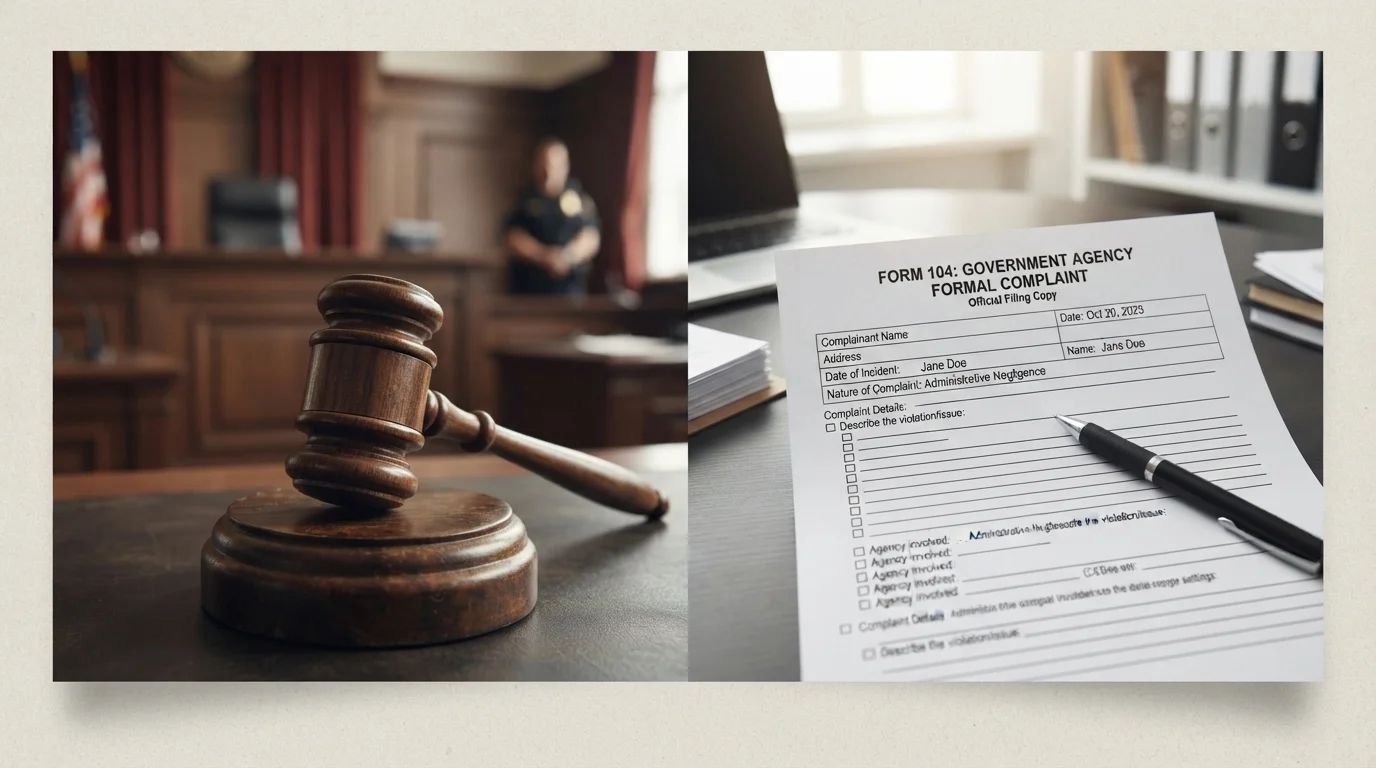
Photo credit: SearchLynk.net | Search Made Easier
In this article
When a dispute goes unresolved, you have two main routes: filing a complaint with a regulator or suing in small claims court. Here's how they compare.
Key Takeaways
- Small claims court can award you direct monetary compensation; consumer protection agencies generally cannot.
- Agency complaints are free, low-effort, and may trigger broader investigations that protect other consumers.
- Most small claims filings cost between $30 and $100 and require you to appear before a judge.
- The two paths are not mutually exclusive - filing a complaint with an agency doesn't prevent you from also suing.
- Your documentation quality significantly affects the outcome in either route.
Understanding What Each Path Actually Does
When a seller refuses to refund you, delivers something defective, or engages in deceptive billing, you have two primary channels for formal recourse: filing a complaint with a consumer protection agency or taking the matter to small claims court. They serve fundamentally different purposes.
Consumer protection agencies - such as the Federal Trade Commission (FTC), your state attorney general's consumer protection division, or the Consumer Financial Protection Bureau (CFPB) - accept complaints and use them to identify patterns of misconduct. They investigate businesses and can impose fines, require restitution programs, or seek injunctions. However, they typically do not act as your personal attorney. Filing a complaint rarely results in a direct payment to you as an individual; it contributes to regulatory enforcement that may benefit many consumers over time.
Small claims court is a division of your local civil court designed for disputes involving relatively modest sums of money. Dollar limits vary by state, typically ranging from $2,500 to $25,000. You file a claim, pay a modest filing fee, present your case to a judge, and - if successful - receive a legally binding judgment ordering the other party to pay you. The process is designed to be accessible without an attorney, though rules vary by jurisdiction.
For a broader overview of complaint channels, see your full range of complaint options across federal, state, and local levels.
Comparing the Two Paths Side by Side
Before choosing a path, it helps to understand exactly how they differ across the dimensions that matter most to everyday consumers.
| Small Claims Court | Consumer Protection Agency | |
|---|---|---|
| Cost to file | $30-$100+ filing fee (varies by state) | Free in most cases |
| Can award you money | Yes - binding monetary judgment | Rarely; restitution is not guaranteed |
| Requires court appearance | Yes - mandatory in most jurisdictions | No - complaint submitted online or by mail |
| Attorney needed | Not required; rules vary by state | Not required |
| Enforcement mechanism | Civil judgment enforceable by law | Regulatory action; may not benefit you directly |
| Best suited for | Individual financial restitution | Systemic or widespread deceptive practices |
| Typical timeline | Weeks to a few months | Unpredictable; can be months or years |
One key distinction worth emphasizing: agency complaints are almost always free and require minimal paperwork, while small claims court involves filing fees, possible service-of-process costs, and mandatory court appearances. That said, court is the only route that can put money directly back in your pocket.
Always Attempt Direct Resolution First
Before filing in court or with an agency, send the business a written demand letter stating the problem, the amount owed, and a deadline to respond - typically 14 to 30 days. Many disputes resolve at this stage, and the letter also demonstrates good faith if you do end up in court. Keep a copy of everything you send and receive.
When to Choose Small Claims Court
Small claims court makes the most sense when you have a specific, quantifiable financial loss and enough documentation to demonstrate it. If a contractor was paid for work never completed, a retailer refused a valid return, or a service provider charged for something never delivered, court gives you a mechanism to compel repayment.
Strong candidates for small claims include situations where:
- You have receipts, contracts, or written communications showing what was promised.
- The business has ignored your attempts to resolve the matter directly.
- The amount lost falls within your state's small claims limit.
- The business has a physical location or registered agent in your state, making it possible to serve them.
Be aware that winning a judgment doesn't automatically mean you collect. If the business refuses to pay, you may need additional steps to enforce the judgment, such as wage garnishment or bank levies, depending on your state's rules. Good documentation habits established before and during a dispute are often the deciding factor in court outcomes.
Also check whether any purchase agreement contains an arbitration clause - these can restrict your ability to sue in court. Arbitration clauses in purchase agreements are increasingly common and worth understanding before filing.
When a Consumer Protection Complaint Is the Better Move
Regulatory complaints are most effective when the problem is systemic - when a business appears to be deceiving or harming many consumers, not just you. Agencies use aggregated complaints to prioritize investigations, so your report may trigger action even if you never hear back individually.
Consumer protection complaints also make sense when:
- The financial loss is too small to justify court but the conduct was clearly deceptive.
- You lack the time or comfort level to navigate the court process.
- The business is operating across state lines, making jurisdiction complicated.
- You want an official record on file without committing to litigation.
Some protections apply to you automatically under federal and state law, even without a written contract. Understanding consumer protections that apply even without a written contract can help you frame your complaint accurately and make a stronger case to regulators.
Filing with an agency also costs nothing and can be done online in most cases. It doesn't prevent you from pursuing other remedies afterward.
Using Both Paths Together
There is no rule that prevents you from filing a regulatory complaint and pursuing small claims court at the same time. In practice, doing both can be strategically useful. A pending regulatory inquiry may motivate a business to settle with you directly rather than face further scrutiny. Meanwhile, your court case proceeds on its own timeline regardless of what an agency does or doesn't do.
If you've already attempted chargebacks through your credit card issuer - which is often the fastest first step - those efforts are separate from both paths discussed here and don't close off either option. Protecting yourself after a purchase covers how disputes, chargebacks, and reporting all fit together as a coordinated response strategy.
The key is sequencing: exhaust direct resolution with the seller first, then consider chargebacks if payment was by card, then file regulatory complaints and court claims as appropriate for the severity of your loss. Each step creates a paper trail that strengthens your position at the next stage.
This article provides general consumer information for educational purposes only and does not constitute legal advice. For guidance specific to your situation, consider consulting a licensed attorney or your state's consumer protection office.

Author
Shopping Editorial Team
Shopping Editorial Team is the collective byline for our editorial team and contributor network. Articles published under this byline or an editorial pen name are researched, written, and reviewed according to our editorial standards for clarity, consistency, and independence before publication.
View all articles →