
Lemon Laws: What They Cover and How They Differ by State
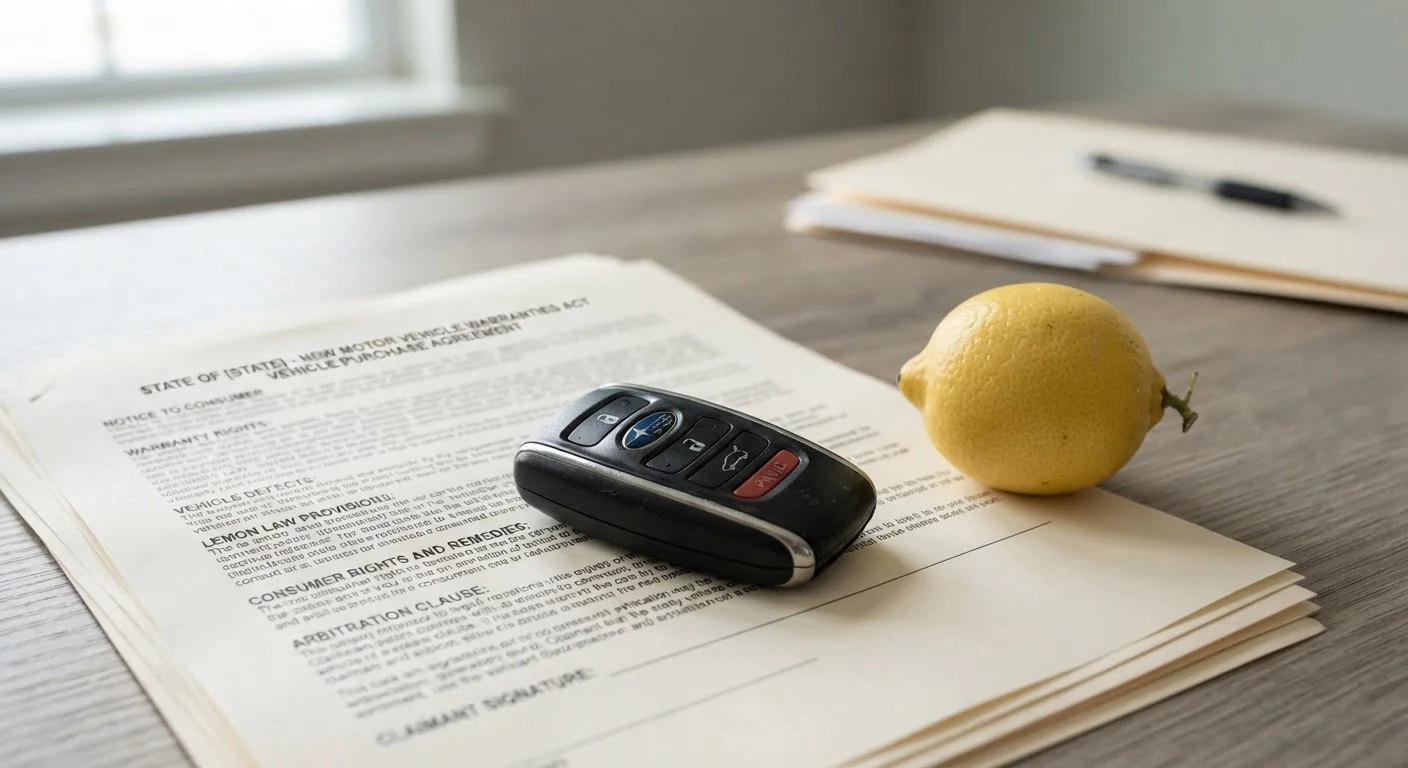
Photo credit: SearchLynk.net | Search Made Easier
In this article
Lemon laws protect buyers of persistently defective vehicles, but coverage and procedures vary widely by state. Here's how to understand yours.
What Is a Lemon Law?
A lemon law is a state or federal statute that protects consumers who purchase a new vehicle that turns out to have a substantial defect the manufacturer or dealer cannot fix within a reasonable number of attempts. When a vehicle qualifies as a "lemon," the law typically entitles the buyer to a replacement vehicle or a full refund - including taxes, fees, and finance charges paid.
Every U.S. state has some form of lemon law, though the specific thresholds, timelines, and covered vehicles vary considerably. At the federal level, the Magnuson-Moss Warranty Act provides a parallel layer of protection for consumer products, including vehicles - see our plain-English summary of the Magnuson-Moss Warranty Act for how it interacts with state lemon laws.
What Lemon Laws Typically Cover
Most state lemon laws apply to new passenger vehicles purchased or leased within the state. A defect generally qualifies when it:
- Substantially impairs the vehicle's use, value, or safety
- Persists after a set number of repair attempts (commonly three or four)
- Or keeps the vehicle out of service for a cumulative period - often 30 days - within a defined window (typically the first year or 12,000-18,000 miles)
Covered defects usually include engine problems, brake failures, transmission issues, and safety-related electrical faults. Cosmetic flaws or defects caused by owner misuse are generally excluded.
Lemon
A vehicle with a substantial defect that impairs its use, safety, or value and cannot be repaired after a reasonable number of attempts within the coverage period.
Substantial Defect
A defect that materially affects the vehicle's operation, safety, or market value. Cosmetic issues or owner-caused damage generally do not qualify.
Repair Attempt Threshold
The number of failed repair attempts for the same defect that must occur before a lemon law claim can be filed. This number varies by state.
Arbitration
A dispute resolution process where a neutral third party reviews the claim and issues a decision, sometimes required by state law before a consumer can sue in court.
Statute of Limitations
The legal deadline by which a lemon law claim must be filed. Missing this deadline typically bars the consumer from pursuing the claim.
Understanding the difference between a warranty and a guarantee matters here: lemon law claims typically depend on the manufacturer's written warranty being in effect at the time of the defect.
How State Laws Differ
State lemon laws diverge in several meaningful ways. Knowing your state's specifics before filing a claim can significantly affect your outcome.
State Laws Change - Verify Before Filing
Lemon law statutes are amended periodically, and thresholds that applied when a neighbor filed a claim may not reflect current law. Always verify your state's current requirements through your state attorney general's office or a licensed consumer protection attorney before initiating any formal process.
Key Variables by State
- Repair Attempt Threshold
- Most states require three or four failed repair attempts for the same defect. Some states lower the threshold to two attempts for safety-related defects.
- Out-of-Service Days
- The total days a vehicle may be in the shop before triggering a claim ranges from 15 to 30 days cumulatively, depending on the state.
- Coverage Window
- Many states tie eligibility to the first 12 or 24 months of ownership, or to mileage caps between 12,000 and 24,000 miles - whichever comes first.
- Used Vehicles
- A growing number of states - including New York and Massachusetts - extend lemon law protections to used vehicles meeting certain age and mileage criteria. Many states still limit coverage to new vehicles only.
- Mandatory Arbitration
- Some states require consumers to participate in a manufacturer-sponsored or state-run arbitration program before filing suit. Results and timelines vary widely.
For a broader look at consumer protections that may apply regardless of lemon law eligibility, see our guide to consumer rights in America.
Steps to Take If You Suspect a Lemon
Acting promptly and methodically improves your chances of a successful claim.
- Document every repair visit. Keep all repair orders, written estimates, invoices, and dealer communications. Each repair attempt should be documented with a date, mileage, and description of the reported problem.
- Notify the manufacturer in writing. Many states require formal written notice to the manufacturer before a claim can proceed. Check your state's specific requirement.
- Review your state's filing deadline. Lemon law claims have statutes of limitations - typically one to four years from the date of original purchase or from when the defect became apparent. Missing this window can forfeit your rights.
- Understand arbitration requirements. If your state mandates arbitration, follow those steps first. Decisions made through manufacturer-sponsored programs can sometimes be appealed in court if you disagree with the outcome.
- Consult a consumer protection attorney. Many lemon law attorneys work on contingency or collect fees from the manufacturer if you prevail. A qualified attorney can evaluate your documentation and advise on your state's specific process.
Lemon laws exist within a wider ecosystem of consumer protections. Our article on protections that apply even without a written contract explains additional rights that may run parallel to your lemon law claim.
This article provides general legal information for educational purposes only and is not legal advice. Laws vary by state and change over time. Consult a licensed attorney in your state for guidance specific to your situation.

Author
Shopping Editorial Team
Shopping Editorial Team is the collective byline for our editorial team and contributor network. Articles published under this byline or an editorial pen name are researched, written, and reviewed according to our editorial standards for clarity, consistency, and independence before publication.
View all articles →