
How the US Housing Market Actually Works
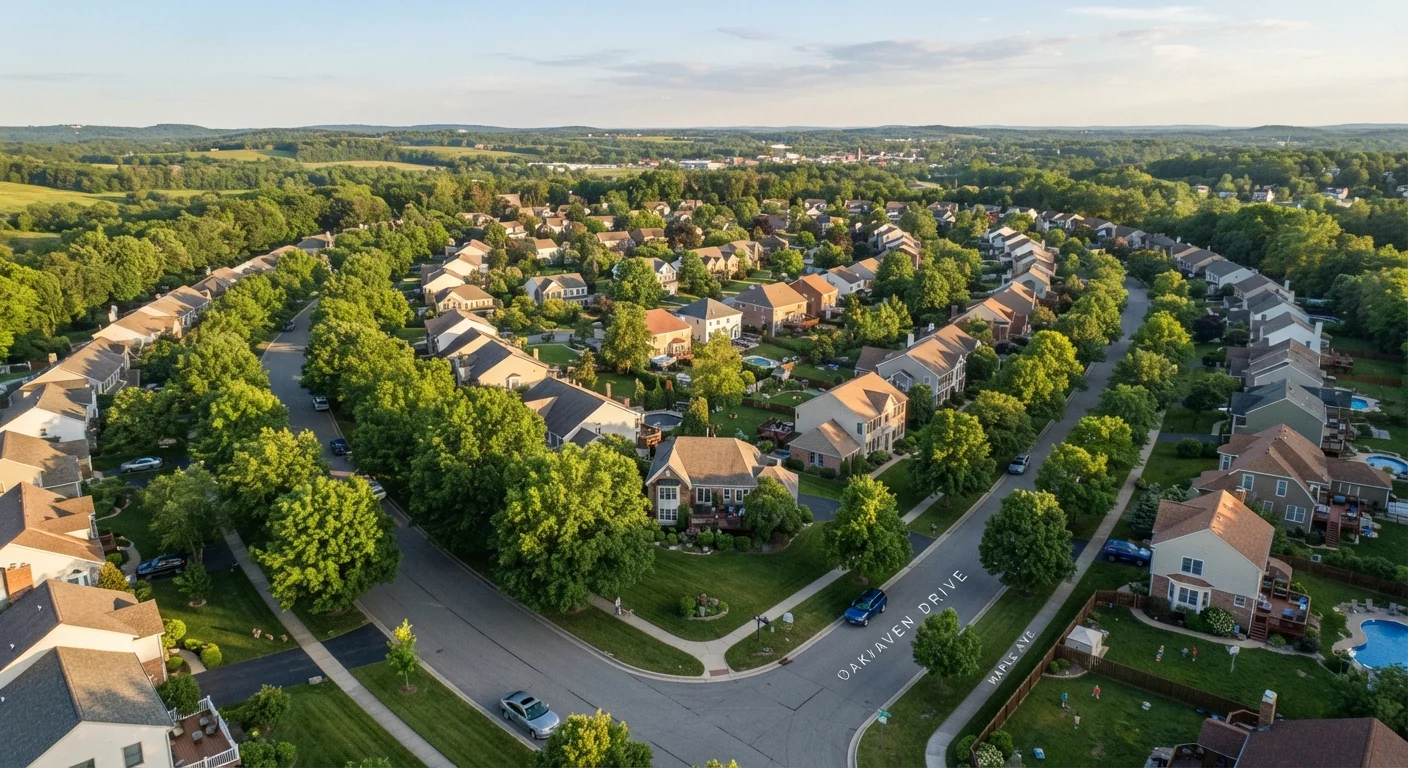
Photo credit: SearchLynk.net | Search Made Easier
In this article
From listings to closings, here's a plain-language walkthrough of the forces, players, and processes that shape the American housing market.
Key Takeaways
- The US housing market is a collection of local markets, not one single national market.
- Prices are driven by the balance between available homes (supply) and the number of buyers (demand).
- Mortgage rates directly affect how much home a buyer can afford, shifting demand up or down.
- Key data points like inventory levels and days on market reveal whether conditions favor buyers or sellers.
- Multiple professionals - agents, lenders, inspectors, and title companies - play distinct roles in each transaction.
What the Housing Market Actually Is
The term "housing market" gets used as if it were a single, unified entity - like a stock exchange with one scoreboard. In reality, it is millions of individual transactions happening simultaneously across thousands of distinct local markets. A neighborhood in Austin can be fiercely competitive while a suburb of Cleveland cools off in the same month.
At its core, the housing market is the system through which residential properties - single-family homes, condos, townhouses, and multifamily dwellings - are bought, sold, and rented. Prices, timelines, and competition are all set by the interplay of local supply and demand, broader economic conditions, and financing costs.
For a plain-English reference to the terms you'll encounter, see housing market terminology every reader should know.
Housing inventory
The total number of homes listed for sale at any given time. Low inventory means fewer choices for buyers; high inventory means more competition among sellers.
Months of supply
A measure of how long it would take to sell all currently listed homes at the current sales pace. Around six months is considered a balanced market.
Median home price
The middle value in a range of home sale prices - half of homes sold for more, half for less. It gives a more accurate sense of typical prices than a simple average.
Days on market (DOM)
The average number of days a home spends listed before going under contract. Lower numbers generally signal strong buyer demand.
Mortgage rate
The interest rate charged on a home loan. Higher rates increase monthly payments and reduce how much buyers can afford to borrow.
Escrow
A neutral third-party arrangement where funds and documents are held until all conditions of a real estate sale are met and the transaction can be completed.
The Key Players in Every Transaction
Every home sale involves a coordinated cast of professionals, each with a defined role:
- Listing agent: Represents the seller, markets the property, and negotiates on the seller's behalf.
- Buyer's agent: Guides the buyer through the search, offer, and negotiation process.
- Mortgage lender: Evaluates the buyer's finances and funds the loan used to purchase the home.
- Home inspector: Assesses the property's physical condition before the sale is finalized.
- Appraiser: Provides an independent estimate of the home's market value, typically required by the lender.
- Title company or real estate attorney: Ensures the property's ownership history is clear and manages the legal transfer of title.
Understanding who does what helps buyers and sellers avoid confusion and know where to direct questions at each stage. For a full walkthrough of what happens after an offer is accepted, see the home purchase process from offer to closing.
Supply, Demand, and Why Prices Move
Housing prices follow the same fundamental principle as most markets: when more people want to buy than there are homes available, prices rise. When supply outpaces demand, prices stabilize or fall.
Supply is measured primarily by active inventory - the number of homes currently listed for sale - and by months of supply, which estimates how long it would take to sell all listed homes at the current pace of sales. Roughly six months of supply is considered a balanced market.
Demand is driven by population growth, employment levels, household formation rates, and consumer confidence. When the economy is strong and jobs are plentiful, more people feel ready to buy, increasing competition for available homes.
New construction also matters. When builders add significant numbers of homes to the market, it can ease supply pressure and moderate price growth. Permitting delays, labor shortages, and land costs can constrain new supply for years at a time.
For a deeper look at these dynamics, see why home prices rise and fall and housing inventory explained.
Track Local Data, Not Just National Headlines
National housing statistics reflect averages across thousands of diverse markets. Your local market - defined by your city, school district, or even specific neighborhood - may behave very differently. Before drawing conclusions from national news, look for local data on median prices, inventory levels, and days on market from your regional multiple listing service (MLS) or a trusted local real estate professional.
How Mortgage Rates Fit Into the Picture
Most American home purchases are financed with a mortgage, making borrowing costs a central force in the market. When interest rates rise, the monthly payment on a given loan amount increases - which effectively prices some buyers out of certain price ranges and reduces overall demand. When rates fall, affordability improves and more buyers can participate.
Mortgage rates in the US are influenced by the broader bond market, particularly yields on 10-year US Treasury notes, as well as policies set by the Federal Reserve. However, the Fed does not set mortgage rates directly - it sets the federal funds rate, which influences the broader interest rate environment.
The chain reaction is significant: rising rates slow buyer demand, reduce competition, and can put downward pressure on prices. Falling rates do the opposite. What mortgage rates do to the housing market walks through this mechanism in detail.
Mortgage Rates and the Federal Reserve
A common misconception is that the Federal Reserve directly controls mortgage rates. In reality, the Fed sets the federal funds rate - the rate banks charge each other for overnight lending. Mortgage rates are more closely tied to the bond market, particularly 10-year Treasury yields. Fed decisions influence the broader interest rate environment, but the relationship is indirect and not always immediate.
Reading the Headlines: Common Market Signals
Housing market news tends to center on a handful of data points. Knowing what each one measures helps you interpret reporting accurately:
- Median home price: The midpoint of all sale prices in a given period - half of homes sold above this price, half below. It is less distorted by extreme outliers than an average.
- Days on market (DOM): The average number of days homes spend listed before going under contract. Low DOM indicates strong demand; high DOM suggests softening.
- Months of supply: Current inventory divided by the monthly sales pace. Below 6 months typically signals a seller's market; above 6 signals a buyer's market.
- Existing home sales: Monthly data from industry organizations tracking how many previously owned homes closed escrow. It reflects actual completed transactions, not just listings.
- Housing starts: Government data on new residential construction begun, signaling future supply.
Buyers' vs. Sellers' Markets Explained
You'll frequently hear the market described as favoring buyers or sellers. These aren't just talking points - they describe real shifts in negotiating leverage.
In a seller's market, inventory is low relative to demand. Homes sell quickly, sometimes within days. Buyers may face multiple competing offers and bid above asking price. Contingencies - like inspection or financing clauses - may be waived to make offers more attractive. Sellers hold most of the leverage.
In a buyer's market, supply exceeds demand. Homes linger on the market, sellers may reduce prices, and buyers can negotiate concessions like closing cost assistance or repair credits. Leverage shifts to the buyer's side.
Most markets are somewhere between these two extremes and shift over time as economic conditions change. Recognizing which environment you're in - as a buyer or seller - is foundational to setting realistic expectations. If you're evaluating whether buying makes more sense than renting in your situation, see renting explained for a helpful counterpoint.
Ready to take the next step? Buying a home covers the full process from getting pre-approved to signing at closing.
Frequently Asked Questions

Author
Real Estate Editorial Team
Real Estate Editorial Team is the collective byline for our editorial team and contributor network. Articles published under this byline or an editorial pen name are researched, written, and reviewed according to our editorial standards for clarity, consistency, and independence before publication.
View all articles →