
Building a Wind-Down Routine That Actually Helps You Sleep
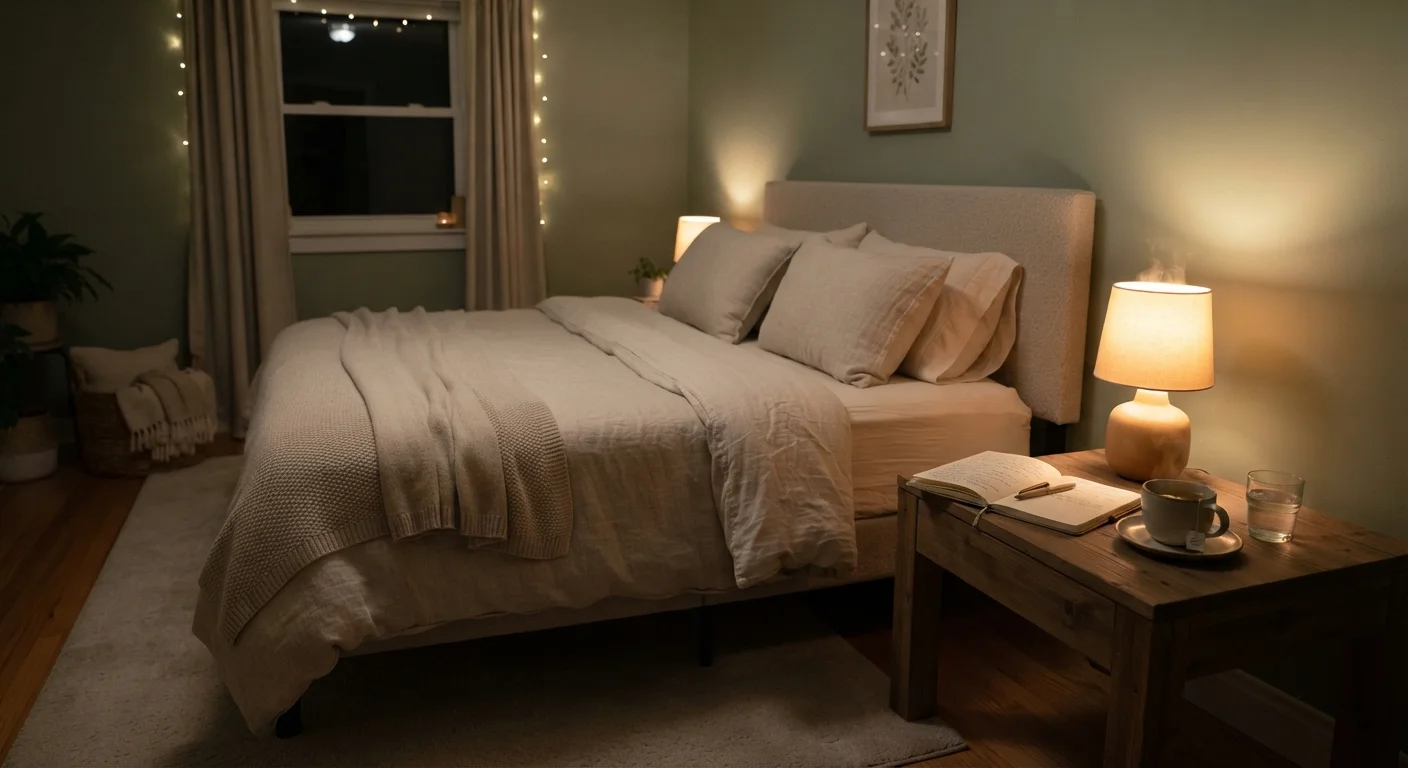
Photo credit: SearchLynk.net | Search Made Easier
A consistent pre-sleep routine can improve sleep quality over time. Here's what sleep hygiene really means and how to build a sustainable version.
Key Takeaways
- A consistent pre-sleep routine helps your brain associate certain cues with falling asleep.
- Reducing light exposure and screen time in the hour before bed supports melatonin production.
- Small, repeatable habits are more effective than elaborate rituals you can't sustain.
- Sleep hygiene is cumulative - improvements typically build over days and weeks, not overnight.
- Individual needs vary; what works for one person may not work for another.
Why a Wind-Down Routine Works
Sleep isn't a switch you can flip at will - it's a gradual physiological process that responds to environmental and behavioral cues. The scientific basis for pre-sleep routines lies in sleep hygiene, a term used by sleep researchers to describe the set of habits and environmental conditions that support consistent, restorative sleep.
At the core of this is your circadian rhythm - the internal 24-hour clock that regulates alertness and sleepiness. Evening light, mental stimulation, and stress responses can all push that rhythm out of alignment. A structured wind-down routine works by giving your brain and body predictable signals that sleep is approaching, which supports the natural release of melatonin and a reduction in core body temperature - both key to sleep onset.
Research consistently shows that behavioral interventions - rather than supplements or aids - are the most durable approach to improving sleep quality over time. That's a meaningful distinction for anyone looking for sustainable results rather than short-term fixes.
This Is General Information, Not Medical Advice
Sleep difficulties can have underlying medical causes, including sleep apnea, anxiety disorders, chronic pain, or medication side effects. If you regularly struggle to fall or stay asleep despite good sleep hygiene, speak with a qualified healthcare provider. Do not discontinue any prescribed medication or treatment without professional guidance.
What to Expect as You Build the Habit
Like most behavioral changes, a wind-down routine takes time to feel natural. Most people don't notice meaningful improvements in sleep quality after just one or two nights - the benefit is cumulative and builds as your nervous system learns to recognize the pattern.
The goal is not a rigid script that must be followed identically every night. It's a loose framework of cues and behaviors consistent enough that your brain starts associating them with sleep. Missing a night doesn't mean starting over - it means returning to the routine the following evening.
Consistency Matters More Than Perfection
Missing one night won't undo your progress - what matters is returning to your routine rather than abandoning it. Think of it as a long-term practice, much like the kind of consistent approach that underlies lasting habits in any area of life. See how daily habits support mental resilience for related strategies.
If you're also working on broader mental well-being alongside sleep, the two areas reinforce each other. Poor sleep amplifies stress and reduces emotional regulation; calmer evenings often lead to better mornings. For a broader look at supportive daily habits, see our companion piece on daily habits that support a calmer, more resilient mind.
This article is for general informational and educational purposes only and is not a substitute for professional medical advice, diagnosis, or treatment. If you are experiencing persistent sleep problems, consult a qualified healthcare provider.

Author
Health & Wellness Editorial Team
Health & Wellness Editorial Team is the collective byline for our editorial team and contributor network. Articles published under this byline or an editorial pen name are researched, written, and reviewed according to our editorial standards for clarity, consistency, and independence before publication.
View all articles →