
Starting From Zero: A Beginner's Overview of Personal Saving
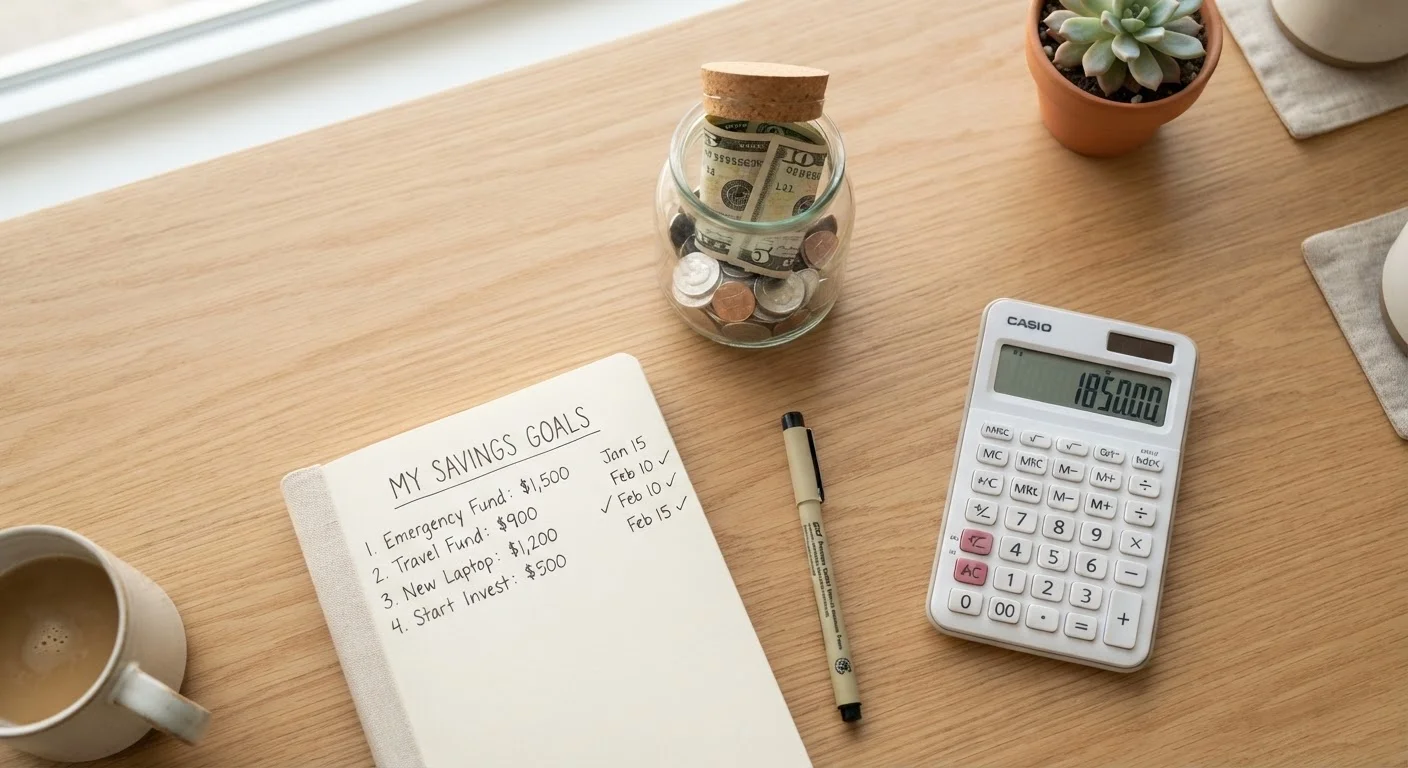
Photo credit: SearchLynk.net | Search Made Easier
In this article
If you've never had a consistent saving habit, this introduction covers the core concepts, tools, and first steps to get started.
Key Takeaways
- Starting small is more effective than waiting until you can save a larger amount.
- An emergency fund - typically three to six months of expenses - is the most important first savings goal.
- Automating transfers removes the temptation to spend money you intended to save.
- Carrying high-interest debt and saving simultaneously is often the right strategy, not a contradiction.
- Where you keep savings matters - accounts with higher yields help money grow passively.
- Saving habits, once established, create a foundation for later investing.
Why Saving Feels Hard at First
Most people who struggle to save aren't making a character flaw - they're missing a system. When income arrives and expenses are immediate, saving feels like whatever's left over. Usually, that's nothing. The problem isn't willpower; it's sequencing.
Financial stress, particularly from debt, compounds the difficulty. When a credit card balance or loan payment is hanging over every paycheck, setting money aside can feel pointless or even irresponsible. But building savings and managing debt are not mutually exclusive - they're parallel tasks. Understanding that distinction is often the first real shift for beginners.
Reframe Saving as Paying Yourself
One mental shift that helps many beginners is treating savings like a non-negotiable bill - something you pay before anything else. Instead of saving whatever's left at month's end, decide on an amount upfront and move it automatically. Even a small, fixed transfer on payday builds momentum and habit faster than irregular, intention-based saving.
Core Concepts Every New Saver Should Know
Before diving into tactics, a few foundational ideas are worth grounding yourself in.
Pay yourself first
Automatically setting aside savings before you spend on anything else, so saving becomes a fixed priority rather than an afterthought.
Emergency fund
A dedicated pool of money set aside to cover unexpected expenses - like a medical bill or car repair - so you don't need to rely on debt when surprises happen.
Compound interest
Interest earned not just on your original savings, but also on the interest already added to your balance - meaning your money grows faster the longer it stays saved.
Liquidity
How quickly and easily you can access your money. A checking account is highly liquid; money tied up in a long-term investment may not be.
High-yield savings account
A type of savings account, usually at an online bank or credit union, that pays a higher interest rate than a standard savings account while keeping your funds accessible.
Savings rate
The percentage of your income you set aside as savings each month - a higher savings rate generally leads to faster progress toward financial goals.
These concepts aren't complex, but they matter. Pay-yourself-first - automatically saving before you can spend - is the single principle that underlies most successful saving habits. Compound interest rewards patience; even modest, consistent contributions grow meaningfully over time. And liquidity is a key reason emergency savings belong in a separate, accessible account rather than tied up in investments.
Your First Practical Steps
Start with one concrete action: open a dedicated savings account if you don't already have one. Keeping savings physically separate from your checking account makes it harder to spend on impulse and easier to track progress.
Next, set a specific, small savings goal. Your first target should be an emergency fund - even $500 creates a meaningful buffer against minor unexpected expenses. From there, aim toward one month of essential expenses, then build incrementally.
Automate the transfer. Set it to move on the same day you're paid. This is the most reliable way to eliminate the friction of deciding whether to save each time. For help understanding how a budget can support this, see the beginner's guide to personal budgeting for a structured approach to tracking income and expenses. It's also worth being aware of habits that quietly undermine saving goals, since small behavioral patterns can erode progress without you noticing.
Saving While Carrying Debt
Debt and saving can - and often should - coexist. The general principle: prioritize high-interest debt aggressively while keeping a small savings contribution going. The logic is straightforward. If you put every dollar toward debt and then an unexpected expense hits, you may be forced to borrow again, often at high interest.
A small emergency fund acts as a financial shock absorber. It doesn't need to be large to be useful. Even one or two months of essential expenses can prevent a setback from turning into a cycle.
Avoid Zeroing Out Savings to Chase Debt
It can be tempting to drain your savings account entirely to pay down a balance faster. But without any financial cushion, a single unexpected expense - a car repair, a medical copay - may force you to put that same amount back on a credit card. Maintaining even a small emergency reserve helps break the debt cycle rather than perpetuating it.
Once high-interest debt is under control, the savings rate you were putting toward repayments can be redirected to grow your savings more aggressively. Think of debt repayment and saving as phases that overlap, not a sequence you have to complete in order.
Where to Keep Your Savings
Not all savings accounts are created equal. Standard checking-adjacent savings accounts at large banks often offer very low interest rates. High-yield savings accounts - available at many federally insured online banks and credit unions - typically offer meaningfully higher rates on the same accessible, low-risk structure.
For an emergency fund, accessibility matters most. You want to be able to withdraw funds quickly without penalties. For longer-term savings goals, some people use certificates of deposit (CDs), which lock funds for a fixed term in exchange for a higher rate - though this reduces liquidity. The right choice depends on your timeline and goals. A licensed financial professional can help you evaluate options appropriate to your situation.
Whatever account you use, make sure it's held at a federally insured institution - deposits at FDIC-insured banks or NCUA-insured credit unions are covered up to applicable limits.
What Comes After the Basics
Once you've built a consistent savings habit and established an emergency fund, you're in a stronger position to think about longer-term financial goals. That's where investing enters the picture - but only after your financial foundation is stable.
Investing involves risk of loss and is not a substitute for accessible savings. For those ready to learn more, the Investing Essentials hub covers foundational concepts, and the guide to building your first investment portfolio is a practical starting point. Being aware of common early investing missteps can also help you avoid pitfalls that trip up many beginners.
Spending habits also play a role in how much you're able to save. The guide to smarter everyday shopping offers practical ways to spend more intentionally, which directly supports your saving goals.
This article is for general informational and educational purposes only and does not constitute personalized financial, investment, or tax advice. Please consult a qualified financial professional for guidance tailored to your individual circumstances.
Frequently Asked Questions

Author
Finance Editorial Team
Finance Editorial Team is the collective byline for our editorial team and contributor network. Articles published under this byline or an editorial pen name are researched, written, and reviewed according to our editorial standards for clarity, consistency, and independence before publication.
View all articles →